New to peptides? Good place to start.
No jargon, no hype. These guides are written for the woman who wants to understand what the research actually says before she does anything else.
Already know what you’re after?
Pick a goal to see every compound and article studied for it — metabolism, anti-aging, sleep, and more.
Where everyone should begin.

Does BPC-157 Regrow Cartilage? What the Evidence Shows
A viral claim says BPC-157 regrows cartilage in the knee. The research behind that claim is real, but it doesn't say what the headline says. Here's the gap between the animal data and the human data.
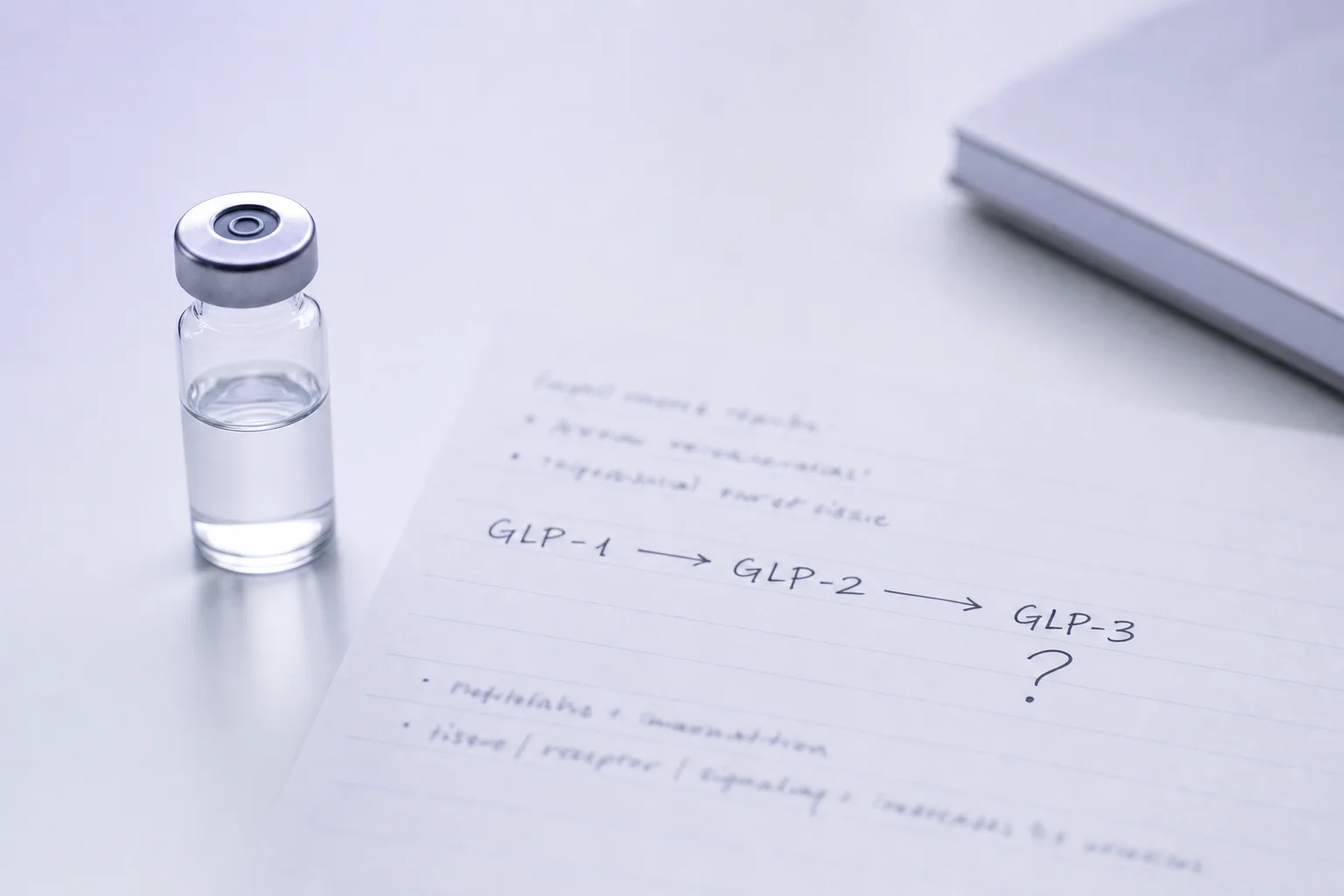
GLP-1, GLP-2, GLP-3: What These Terms Actually Mean
You've probably heard Mounjaro called a 'GLP-2' and Retatrutide called a 'GLP-3.' The numbering looks like a drug generation ladder. It isn't, and the actual biology matters for reading new research accurately.

GLP-1s — What Everyone Is Talking About
Semaglutide, tirzepatide, retatrutide. The GLP-1 class is the most-discussed peptide family right now. Here's what they are, how they work, and what the research actually shows, without the breathlessness.
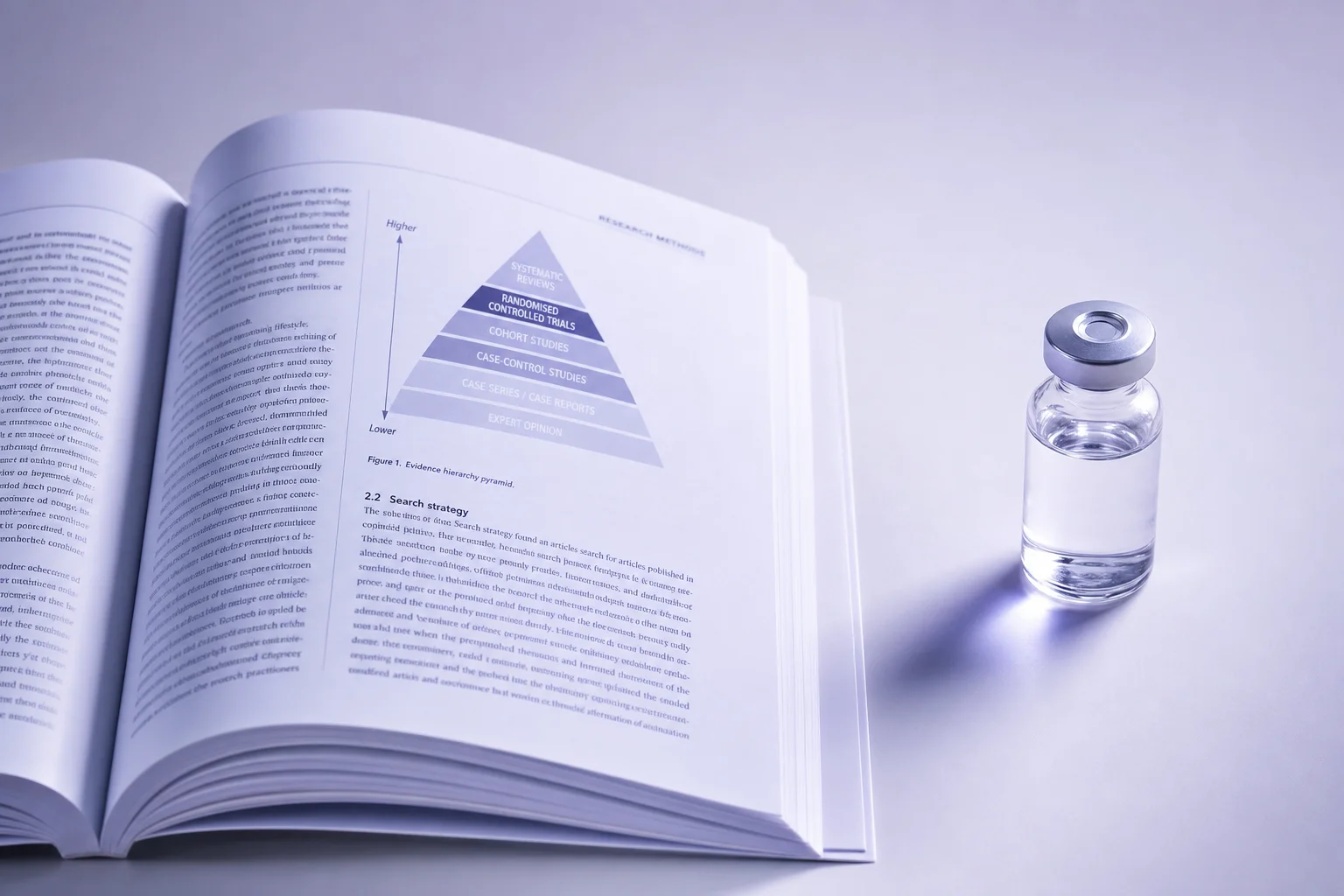
How to Read a Research Notes Page
The research notes on this site are dense by design. This guide walks you through how to read one, what the citations mean, and how to tell strong evidence from early-stage findings.

How to Research Peptides on Your Own
You don't need a concierge doctor or a science degree to research this well. Here's how to build your own education, weigh what you read, and know when it's time to bring in a professional.

Peptides in Women's Research
A practical guide to research peptides studied for skin aging, weight management, hormonal health, and longevity. Clear information, no gym framing.
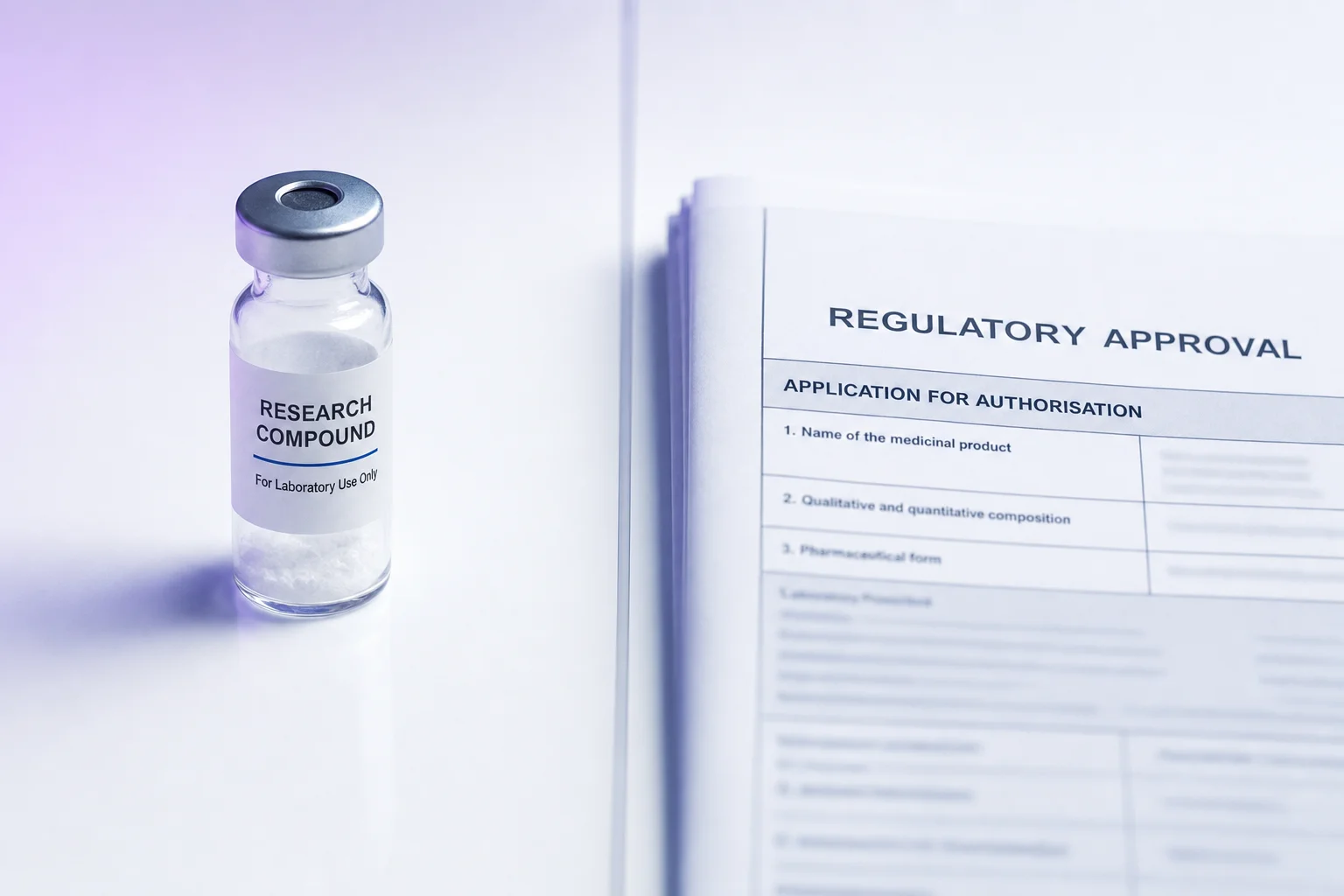
Research Peptides vs. FDA-Approved Compounds
There's an important difference between a peptide sold for research and one prescribed by a doctor. Understanding that distinction tells you a lot about how to read the evidence and what questions to ask.
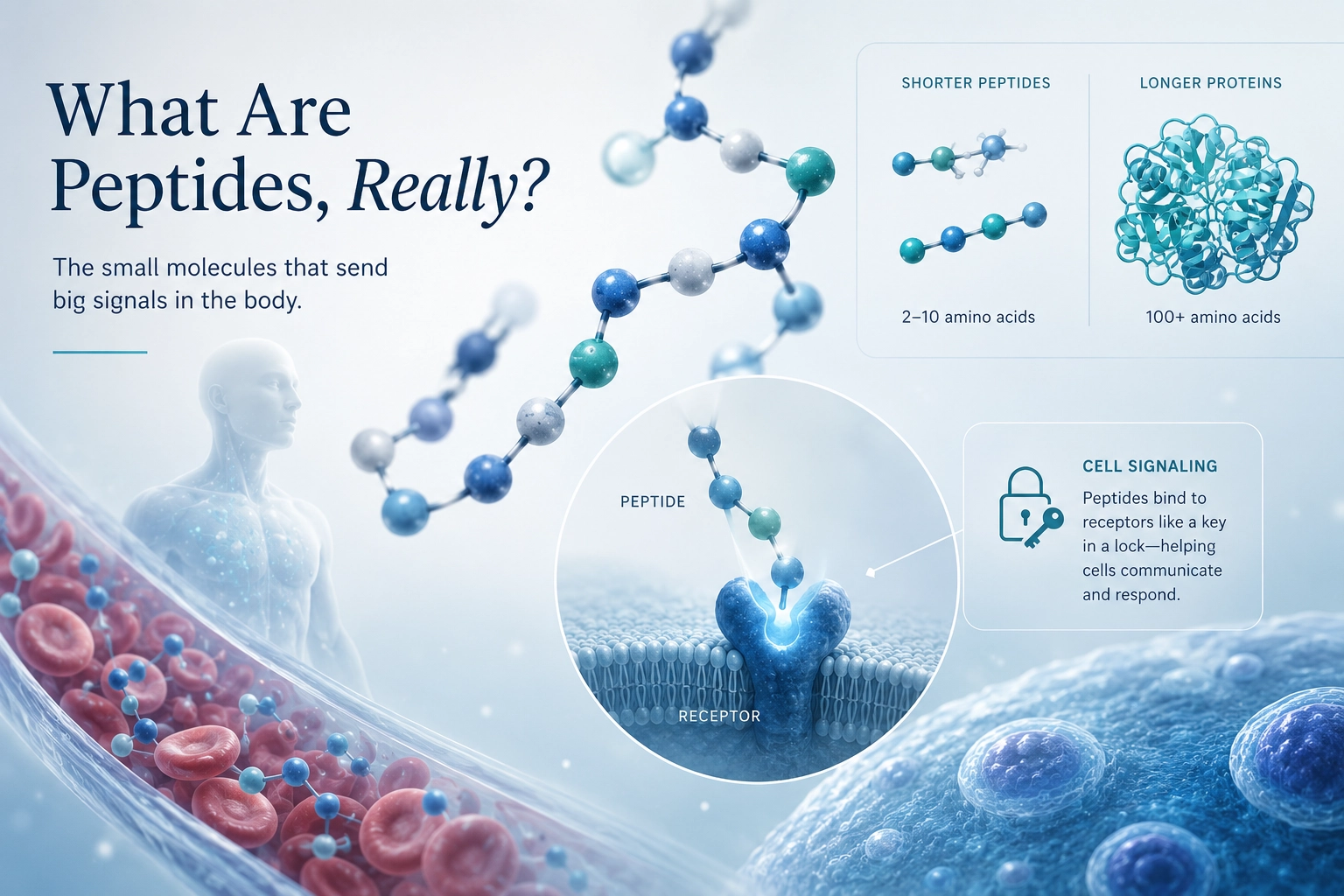
What are peptides, and what do they do?
Peptides are everywhere in your body already, and they're how your cells talk to each other. Here's a plain-language explanation of what they are, what they actually do, and why researchers are so interested in them.

What's your why? The real reasons women research peptides
Ask most of the peptide internet and the answer is muscle. Ask the women actually reading this site and you get a joint that never fully healed, a sleep problem, a metabolic number that stopped responding to anything. Here's what's really behind the search, compound by compound, with the evidence sized to match.

Where Do I Start With Peptides? A Roadmap for Sequencing
There are dozens of these compounds and everyone insists all of them are essential. The useful question isn't which one is best, it's which one goes first and what earns the second one a place.

Who We Write For
Good information shouldn't require a concierge doctor.
The practical questions, answered.

Adding Cagrilintide to Semaglutide: What CagriSema's Trial Data Shows
Cagrilintide isn't a second GLP-1. It works on a different appetite pathway, which is why pairing it with semaglutide (studied together as CagriSema) outperformed semaglutide alone in trials, not just added more of the same thing.
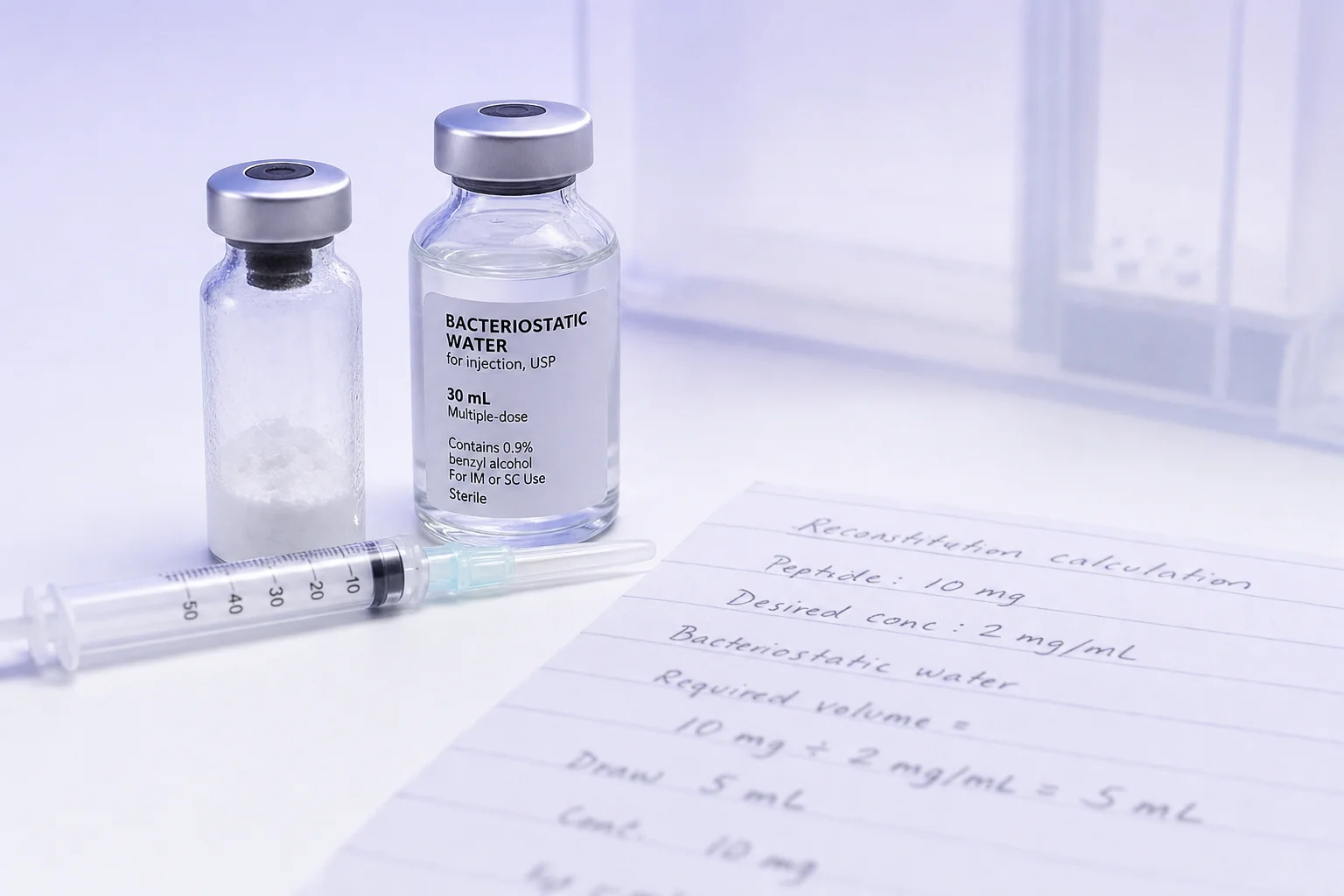
Bac Water and Syringe Math: How to Calculate Your Draw
Once you know a dose, you still have to figure out how much to pull into a syringe. Here's the math, step by step, with real examples.
Before You Buy Your First Peptide: What to Actually Check
Not a shopping list. A short set of questions worth answering before your money leaves your account, so the decision is yours and it's an informed one.
Cagrilintide Plus Retatrutide: The Research Gap, Explained
Retatrutide already works on three receptor pathways. Cagrilintide would add a fourth. No one has published a trial on the combination, so here's what the individual data and the mechanisms actually support, and what's still just a question.
Cagrilintide Plus Tirzepatide: What We Actually Know So Far
There's no published trial on this specific pairing yet. Here's what the individual compound data and the CagriSema precedent can actually tell you, and where the real gap in the research sits.
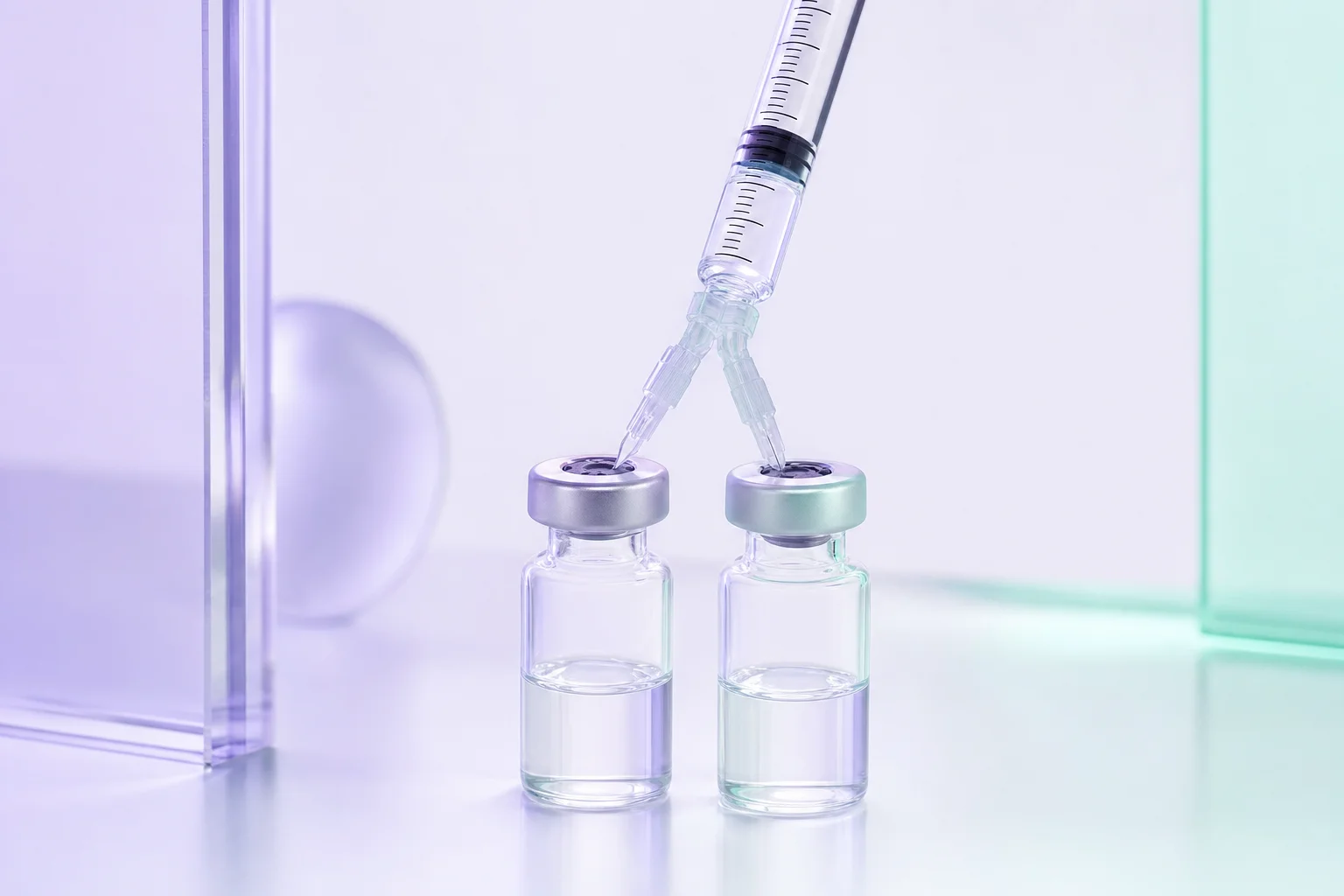
Can You Draw Two Peptides Into the Same Syringe?
If your protocol calls for two peptides at the same time, you can usually combine them in one syringe and inject once. Here is how to know when it is safe and how to do it correctly.

How much retatrutide should I take per week
The answer is less about the number than about how often it changes. The pattern retatrutide is actually escalated on steps up roughly every four weeks, and feeling nothing at week two is what week two is supposed to feel like.
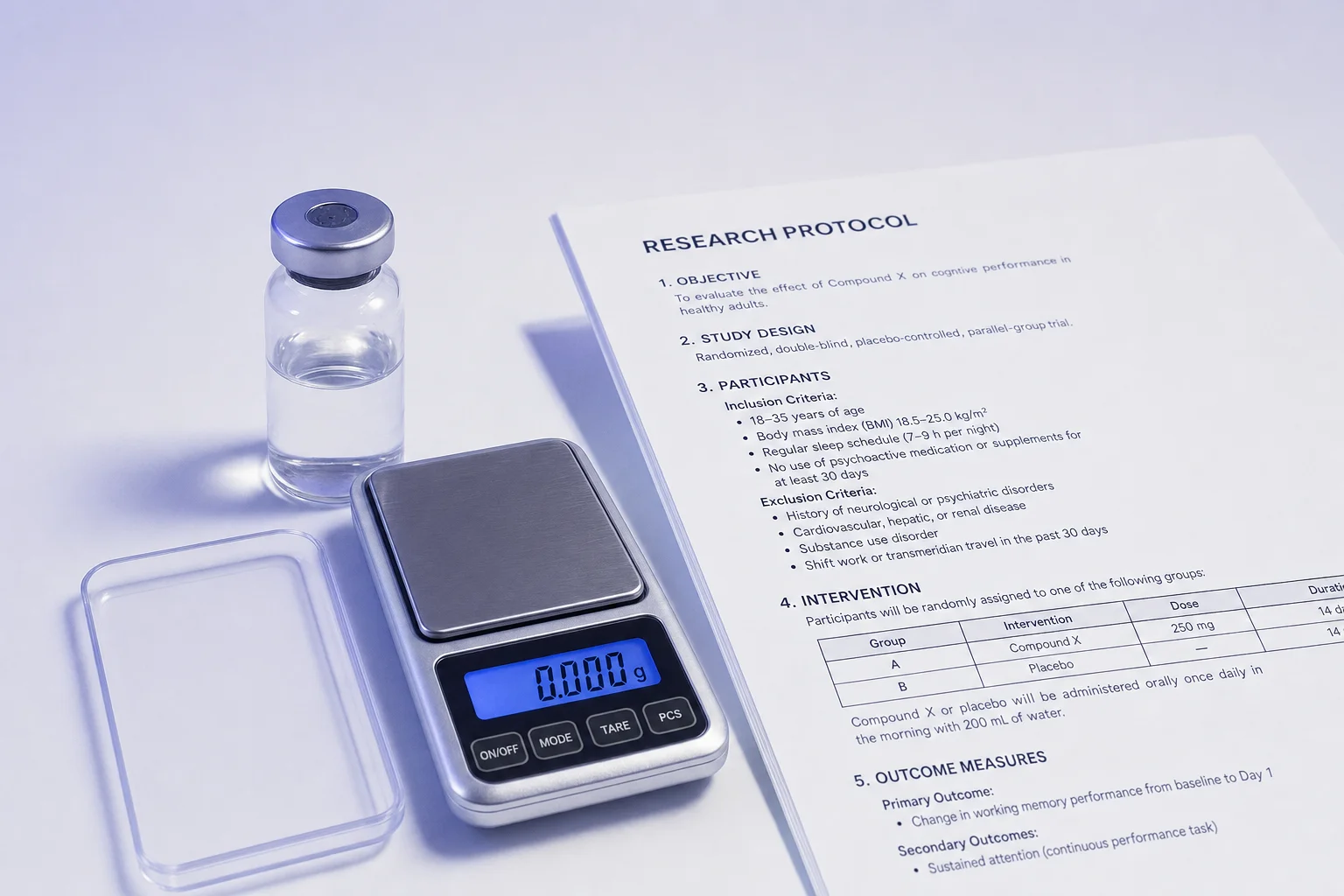
How Peptide Dosing Is Communicated in Research
Research papers don't say 'take this much.' They report what subjects received in studies. Here's how to read that language so you know what you're looking at.
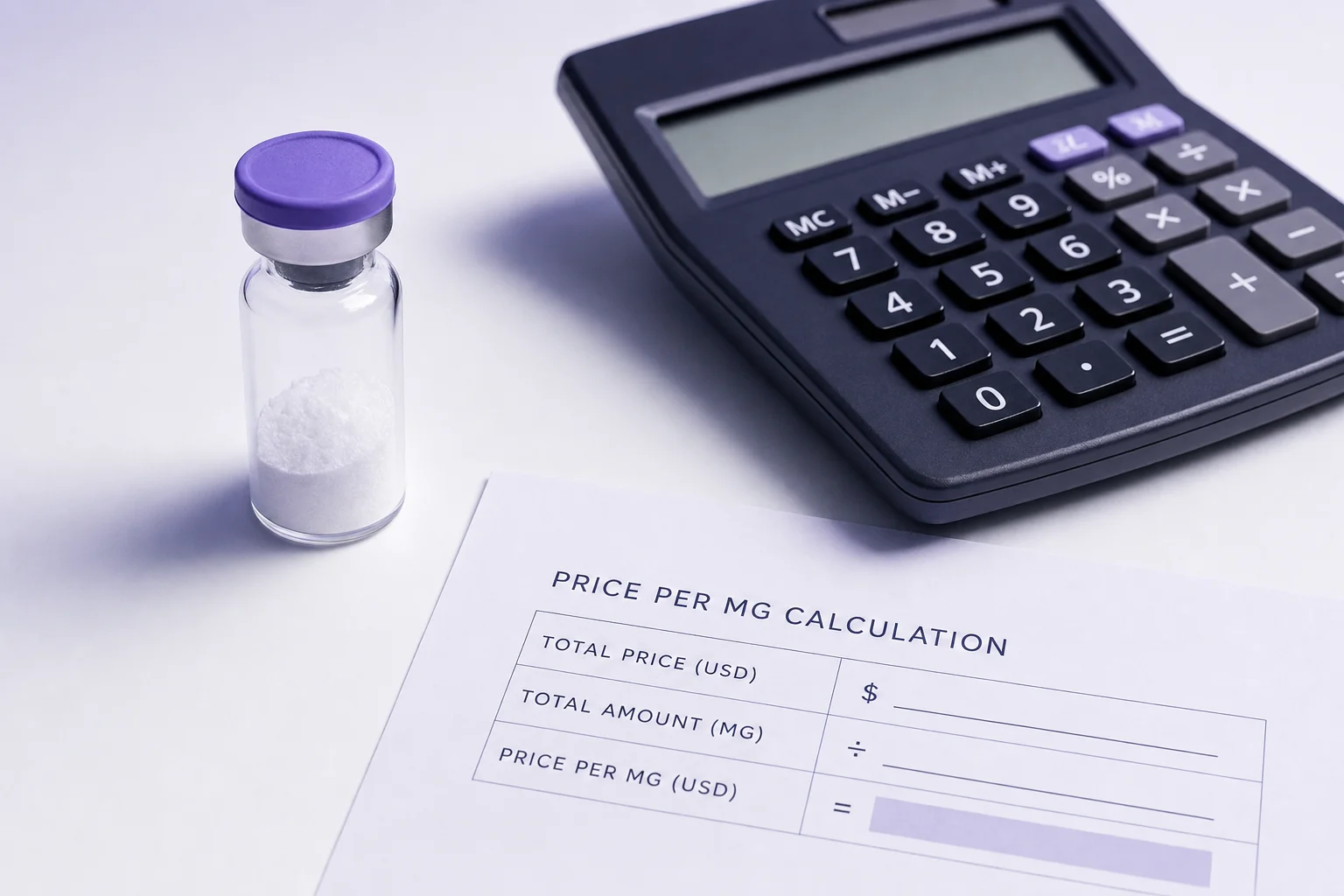
How to Calculate Peptide Price Per Mg (And Why Vial Price Misleads)
Two vendors. Two prices. Same peptide. Without knowing what you're paying per milligram, there's no way to know which is actually cheaper. Here's the formula, and where the comparison gets more complicated.
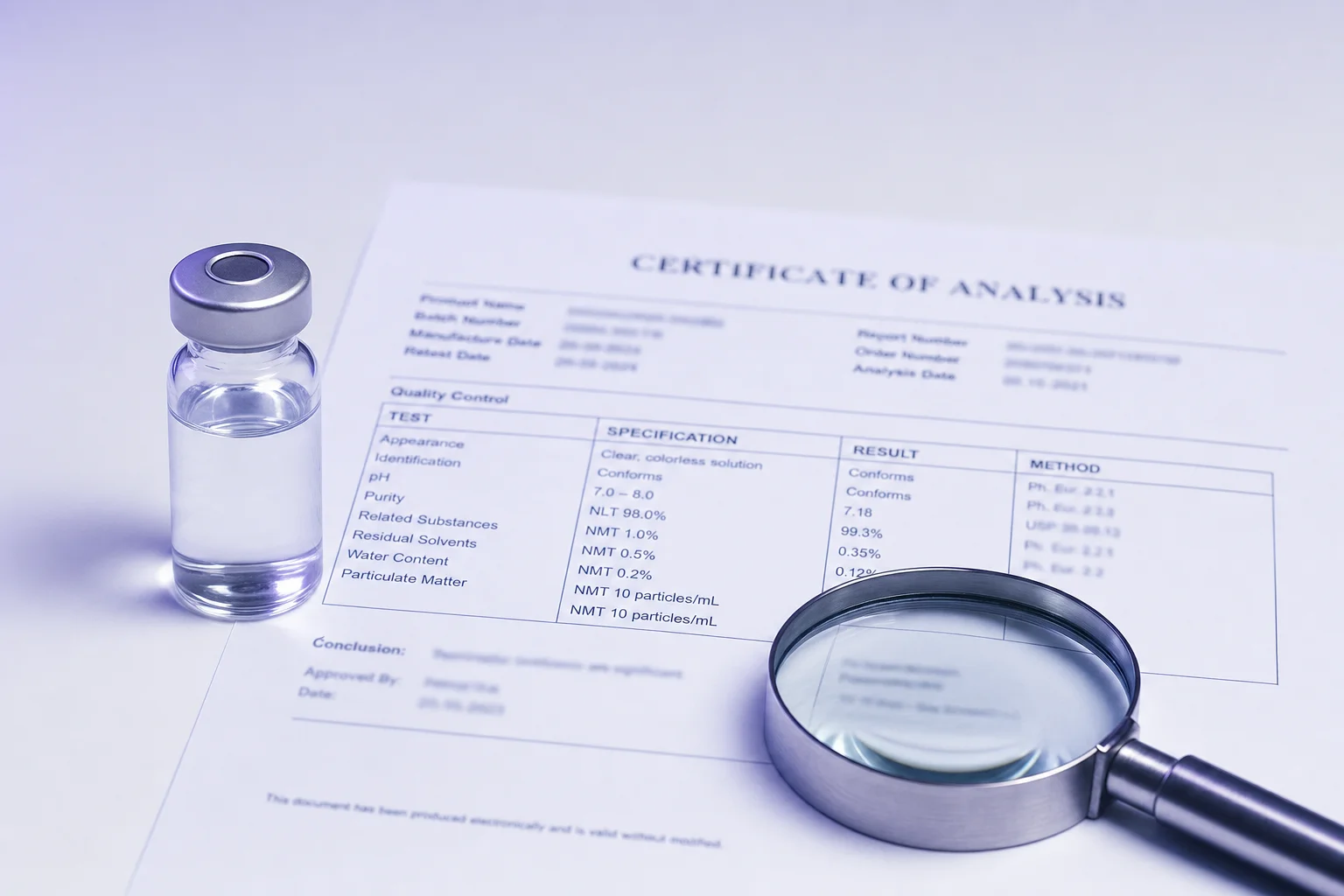
How to Evaluate a Research Peptide Vendor
The research peptide market is unregulated, which means quality varies enormously. Here is what to look for, what to avoid, and how to read the documents that actually tell you what is in the vial.
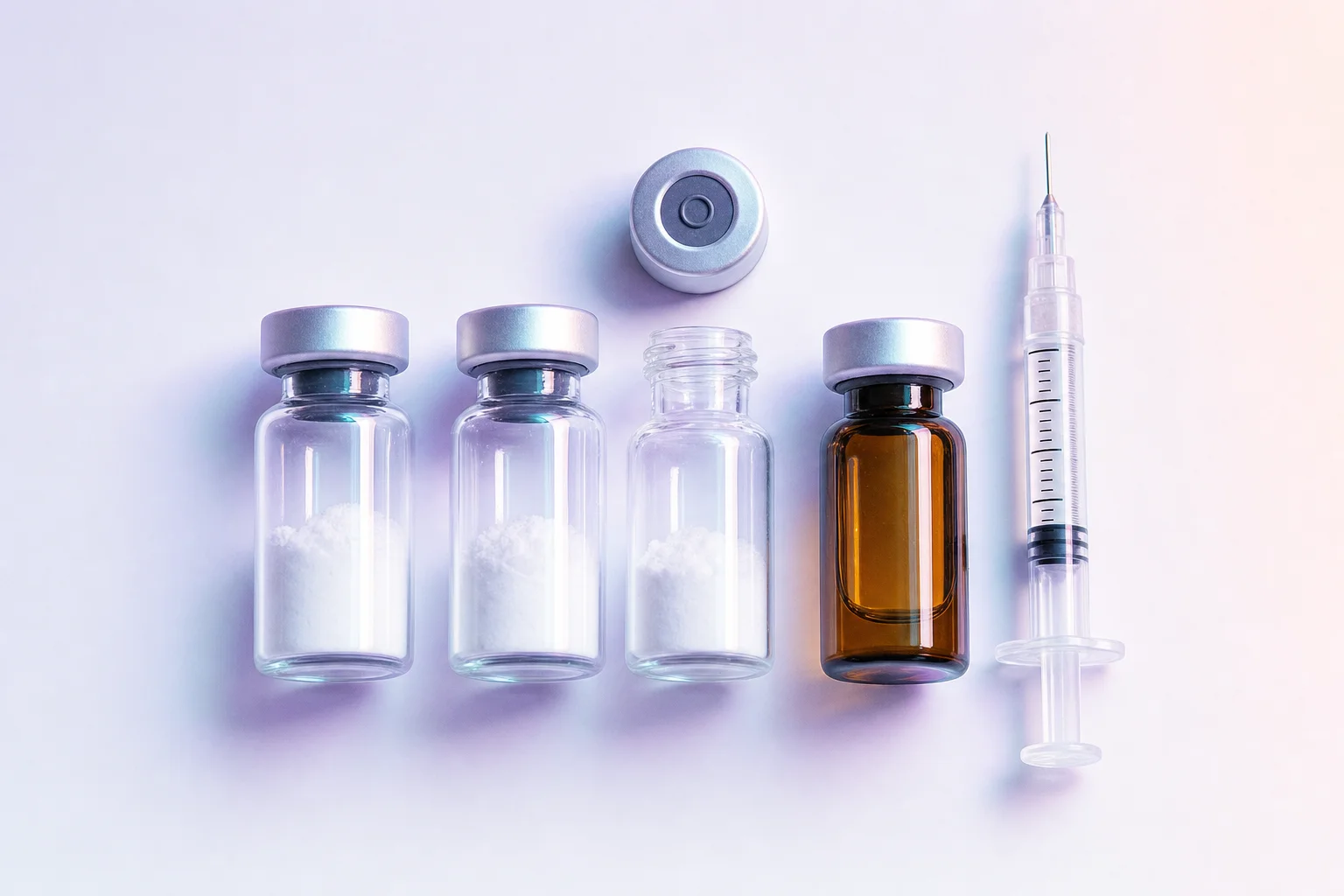
How to store peptides, powder and mixed
Powder is forgiving and a mixed vial isn't, so keep the powder cold, keep the mixed vial in the fridge, and write the date on it.

How to tell whether a certificate of analysis is real
Three checks, about thirty seconds, before you order. Start with the one that catches the problem you're most likely to meet.

Is It Legal? What the PCAC/FDA Peptide Rulings Actually Mean Right Now
An FDA advisory committee just recommended six of seven peptides for legal compounding. Here's what that vote actually changes today, and what it doesn't.

Is There a Peptide That Builds Muscle After 40?
The ones sold for muscle don't do what the label suggests, and there's one situation where a peptide genuinely helps. Which is which depends on what you're actually trying to fix.

Peptide Injection Supplies and What They Cost
The four things researchers keep on hand, what each one costs right now, and a plain explanation of syringe sizes, needle gauge, and needle length so you can figure out what to actually buy.

The Fat Loss and Body Composition Stacks Women Ask About Most
A few combinations dominate every fat loss conversation. Here is what each one is, why the research community discusses pairing them, and what the components actually cost per milligram.

The Longevity and Anti-Aging Stacks Women Ask About Most
The anti-aging category has more combinations in circulation than any other, and the thinnest evidence behind most of them. Here is what each pairing is, why the research community discusses it, and what the components cost per milligram.

The Recovery and Injury Stacks Women Ask About Most
Certain combinations come up again and again in recovery conversations. Here is what each one is, why the research community discusses pairing them, and what the components actually cost per milligram.

The Skin and Hair Stacks Women Ask About Most
Skin is the one category where a peptide might also be sitting in a jar on your bathroom shelf, which makes the pricing question stranger here than anywhere else on this site. Here is what each combination is, why the research community discusses it, and what the components cost per milligram.

The Sleep and Stress Stacks Women Ask About Most
Sleep is the category where the thing you are trying to fix is most often a symptom of something else, which makes it the easiest one to spend money on without getting anywhere. Here is what each combination is, why the research community discusses it, and what the components cost per milligram.

Peptides for Menopause and Perimenopause: What the Research Covers
Peptides aren't hormone therapy and don't treat menopause directly. Here's what researchers are actually looking at, the adjacent concerns like sleep, joints, metabolism, and skin that show up during this transition, and what a peptide protocol for perimenopause symptoms actually can and can't address.

Peptides for Sleep: What Researchers Are Studying
Growth hormone drops with age and perimenopause, and those drops are closely connected to the sleep disruption many women experience. Here's what researchers are studying about it.

Urolithin A, SS-31, and MOTS-C: What Order Actually Makes Sense?
These three research compounds all touch mitochondrial health, but running them together makes it nearly impossible to tell what's actually doing anything. Here's how to think about sequencing instead.

What a Real Surgery Recovery Peptide Stack Looks Like
One woman's account of using BPC-157, TB-500, KPV, and GHK-Cu after surgery lines up with what a lot of readers ask us: which peptides, and does any of it matter if you skip the basics.

What Are Nootropics?
Nootropics are compounds studied or used for cognitive benefits. The word shows up often in peptide research because several peptides target the same brain pathways researchers in both fields care about.

What to Expect: Your First Few Days on Epithalon
The first few days on a new peptide are usually the ones with the most questions. Here's what people commonly notice when they start epithalon, why it happens, and what settles on its own.

What to Take With NAD+, and What to Take First
Every thread about NAD+ ends with someone telling you to pair it with something. Here's which pairings have a reason behind them, which are just enthusiasm, and why the order matters more than the combination.

When retatrutide side effects mean the dose is too high
The question isn't really what the side effects are, it's whether what you're feeling is normal or a sign the last step was too big. Here's how people sort those apart, and what they do about it.
Where to buy bacteriostatic water
Amazon stopped selling bacteriostatic water in 2026, but peptide vendors and supply specialists still carry it.

Where to Buy Research Peptides Safely
Not a sales pitch: what actually separates a safe vendor from a risky one, how to tell if a certificate of analysis is real, and where our own comparison tool fits into the decision.

Which Peptide to Try First When You're Tired All the Time
Four compounds come up constantly when women talk about peptides for energy. They're not interchangeable, and the one worth trying first depends on what your tiredness actually feels like.

You Got Your GLP-1 From an Online Pharmacy and You're Also Looking at Research-Grade
Plenty of people are on both sides of this at once, a telehealth prescription in one hand and a research-grade vial in the other. Here's what actually differs between them, and what's worth checking before you treat them as interchangeable.
Already know what you’re looking for?
Compare prices across vendors — one search, every supplier, price per mg.
Head-to-head comparisons.

Adamax vs. Semax
Adamax is sold as an upgraded Semax that lasts longer and reaches the brain more easily. It might be. But the suppliers selling it don't agree on what molecule it is, and one of them lists a formula with no adamantane in it at all.

AOD-9604 vs. Semaglutide
Both get mentioned for fat loss, but they aim at completely different targets and sit at opposite ends of the evidence spectrum. One acts on appetite with strong trial support; the other targets fat metabolism with much thinner human data.

BPC-157 vs. TB-500
Both are studied for healing and recovery, and they're often discussed as a pair. But they repair tissue through different mechanisms, and one acts locally while the other acts body-wide.
CJC-1295 + Ipamorelin vs. Sermorelin
One uses two peptides through two different doorways for a bigger combined release. The other uses one peptide and keeps things simple. Here's whether the extra complexity earns its keep.
CJC-1295 vs. Sermorelin
Both are GHRH analogs that ask your pituitary to release more growth hormone. The real difference is how long each one keeps asking, and that changes everything from dosing to how natural the effect feels.
CJC-1295 With DAC vs. Without DAC
They share a name and sit side by side on vendor pages, but adding DAC turns a peptide that lasts minutes into one that lasts days. It's the most consequential small label in this corner of the market.
DSIP vs. Epithalon
Both are older, well-known research peptides tied to the pineal gland and the sleep-wake cycle, but they were studied for different outcomes. One is discussed for sleep architecture; the other for telomere biology and longevity signaling.

Epitalon vs. GHK-Cu
Both wear the anti-aging label, but they attack aging from opposite directions. One is studied for cellular and longevity signals deep in the body; the other for visible skin and tissue repair. They're less alternatives than two separate conversations.

GHK-Cu vs. Matrixyl
Both are peptides studied for firmer, smoother skin, and both signal your skin to make more collagen. But one is a copper-carrying repair molecule and the other is a gentle cosmetic workhorse, and that shapes how you'd actually use each.
HGH vs. GH Peptides
Both aim at the same thing: more growth hormone activity in your body. One delivers the hormone directly. The other asks your own pituitary to make more. That single difference shapes almost everything else.
Ipamorelin vs. GHRP-6
Both trigger a growth hormone release through the same doorway, but one does it cleanly and the other comes with side effects you can feel. The difference is selectivity.
Ipamorelin vs. Sermorelin
Both are gentle, beginner-friendly ways to nudge your own growth hormone, but they work through different doorways. That makes them less rivals than teammates, which changes how you should think about choosing.

NAD+ vs. 5-Amino-1MQ, which one you actually want
Both get sold in the energy aisle and they do almost nothing alike. One is a molecule you're running low on, the other blocks an enzyme that gets in the way, and that difference decides whether you take it every week or a few months a year.
NAD+ vs. NMN
These aren't two competing compounds so much as two ways of raising the same molecule: the coenzyme itself by injection, or a capsule your body converts. The real difference is route, evidence, and what you pay per milligram.

Pinealon vs. Epithalon: Two Short Peptides, Two Different Questions
Pinealon and Epithalon come from the same family of short peptides, but researchers study them for different things. One is about the aging brain, the other about cellular aging and the body clock.
Semaglutide vs. Tirzepatide
Both are the household names of the GLP-1 world, and both reduce appetite and body weight. The difference is that one targets a single receptor and the other targets two, and that extra target shows up in the results.
Semaglutide vs. Tirzepatide vs. Retatrutide
You've heard these three names tossed around like they're basically the same thing with different price tags. They're not. Each one adds a receptor the last one didn't have, and that difference is exactly what you're paying for.
Reconstitution and dosing, worked out.
5-Amino-1MQ guide & protocols
The two completely different dosing conventions circulating for 5-Amino-1MQ, why they sit about a hundredfold apart, and how to tell which one applies to what you bought.

AOD-9604 guide & protocols
The daily amounts people actually run for AOD-9604, the joint-health angle that has outlasted the fat-loss one, and an honest account of why this compound never became a drug.

ARA-290 guide & protocols
ARA-290 is one of the very few compounds here with real human research behind it, and that research found a specific amount that worked and a higher one that didn't.

BPC-157 Guide & Protocols
The amount most people actually run for BPC-157, where that number really comes from, how it's cycled and stacked, and how it compares to TB-500 if you're weighing the two.

Cagrilintide guide & protocols
The weekly titration people actually run for research-grade cagrilintide, how it's paired with semaglutide, and what the trial data says it does on its own.

CJC-1295 guide & protocols
Two different compounds are sold under this one name, one injected weekly and one daily, and they're dosed twenty times apart. Here's what people run on each, and which version a given number belongs to.
CJC-1295 no-DAC + Ipamorelin guide & protocols
The most commonly run pairing in the growth hormone family, the ratio problem nobody mentions when they sell you a premixed vial, and how to compare blend prices that aren't measured the same way.

DSIP guide & protocols
The nightly amounts people actually run for DSIP, why the vial you buy probably outlasts its own shelf life, and what the compound's name promises that the research didn't deliver.

Epithalon Guide & Protocols
The course structure people actually run for Epithalon, how to cycle and stack it, and how it stacks up against DSIP if sleep, not longevity, is the actual goal.

GHK-Cu Guide & Protocols
How people actually run GHK-Cu by injection, from reconstitution to cycling to how it stacks up against the topical serums it's better known for.

GLOW blend guide & protocols
The GHK-Cu, BPC-157 and TB-500 blend sold for skin, what the 70 mg vial actually contains, and why the skin component is the one usually used a different way.

Ipamorelin guide & protocols
The nightly amounts people actually run for Ipamorelin, why it's the one compound in this family that doesn't make you hungry, and how it compares to GHRP-2.

KLOW Blend Guide & Protocols
How to dose a fixed-ratio four-peptide blend, the reconstitution math that changes all four components at once, how it's cycled, and how it compares to the three-peptide GLOW blend it's built from.

KPV guide & protocols
The amounts people run for KPV, why this is one of the few peptides here with a real argument for swallowing it, and how it compares to BPC-157.
Melanotan II guide & protocols
The loading and maintenance amounts people run for Melanotan II, the skin check this compound genuinely requires, and why PT-141 exists.

MOTS-c Guide & Protocols
The amount most commonly discussed for MOTS-c, why none of it traces to a human trial, how it's cycled and stacked, and how it compares to SS-31 if you're weighing the two.

NAD+ Guide & Protocols
The dosing patterns people actually describe for injectable NAD+, NMN, and NR, how each is cycled, and how the injectable route compares to Epithalon if you're weighing two different longevity angles.

PT-141 Guide & Protocols
The on-demand dosing pattern people actually run for PT-141, why it isn't a cycling compound the way most of this site is, and how it compares to Melanotan II if you're weighing the two.

Retatrutide Guide & Protocols
The weekly escalation schedule people actually run for retatrutide, how it's stacked and cycled, and how it stacks up against tirzepatide if you're weighing the two.
Selank guide & protocols
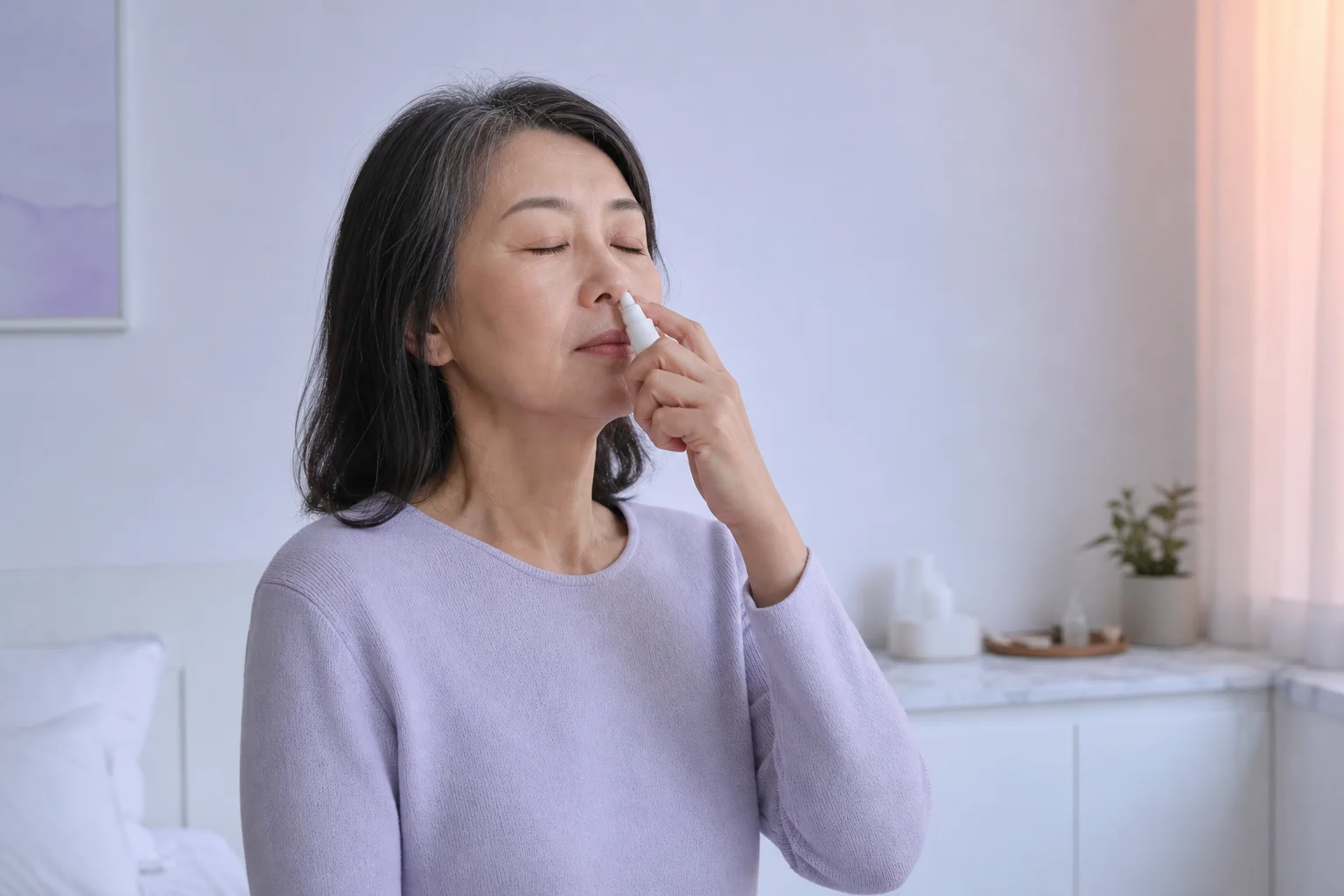
The amounts and short courses people run for selank, why the nasal spray is the form the evidence actually belongs to, and how it compares to semax.
Semaglutide Guide & Protocols
The titration schedule people actually run for research-grade semaglutide, how it's cycled and stacked, and how it stacks up against tirzepatide if you're weighing the two.

Semax guide & protocols
The amounts and short courses people run for semax, why the nose is the route the human evidence actually used, and how it compares to selank.

Sermorelin guide & protocols
The nightly amounts people run for sermorelin, the approved product it used to be and why that ended, and the legal route to it that most of this market doesn't have.

SS-31 Guide & Protocols
The amount most commonly discussed for SS-31, why it sits far below the dose that was actually tested in trials, how it's cycled and stacked, and how it compares to MOTS-c.

TB-500 Guide & Protocols
The loading-then-maintenance pattern almost everyone quotes for TB-500 has no traceable source. Here's the schedule most commonly referenced, where it likely actually comes from, and how TB-500 compares to BPC-157.
Tesamorelin guide & protocols
The daily amounts people actually run for research-grade tesamorelin, why the schedule eats vials faster than almost anything else on this site, and how it compares to CJC-1295.

Thymosin Alpha-1 guide & protocols
The amounts people run for Thymosin Alpha-1, why 1.6 mg keeps appearing, and the difference between waking the immune system up and calming it down.

Tirzepatide Guide & Protocols
The titration schedule people actually run for research-grade tirzepatide, how it's cycled and stacked, and how it stacks up against semaglutide if you're weighing the two.
VIP guide & protocols
VIP arrives as a vial of powder for injection, and almost every dosing pattern in circulation was written for a compounded nasal spray. Knowing which one you're reading is most of the work.

Wolverine blend guide & protocols
The BPC-157 and TB-500 pairing, why a premixed vial forces two compounds with different rhythms onto one schedule, and what people run anyway.