The research, without the density.
This isn't a beginner track — it's a different lens. These pieces are for the reader who already knows what they're looking for but wants accessible prose over a wall of citations.
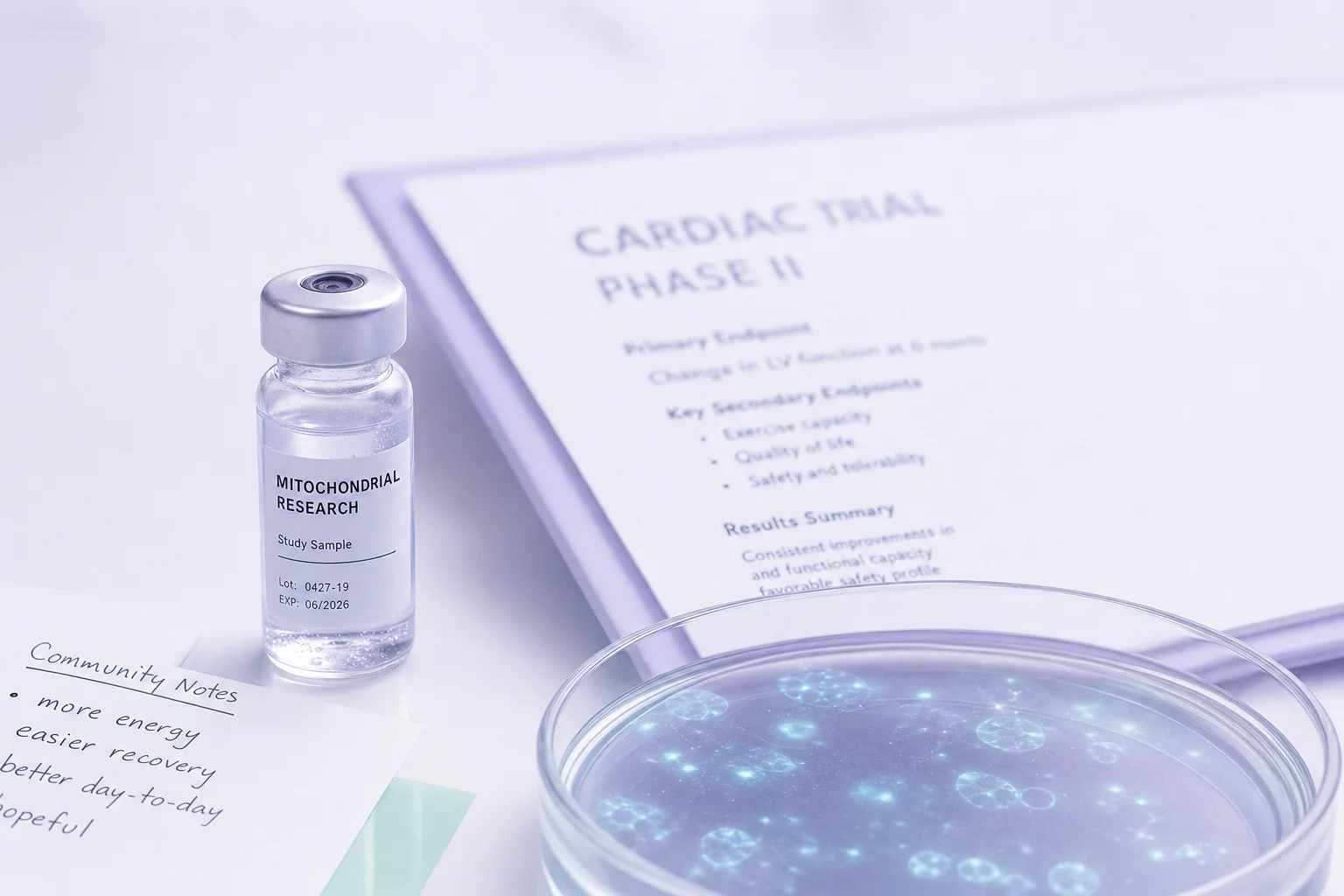
What Women Are Researching SS-31 For (And What the Clinical Trials Actually Studied)
The clinical trials studied heart failure. The community is using it for energy, brain fog, and perimenopause fatigue. Here's how to read both.

Why Retatrutide Is Making You So Tired, and What Actually Helps
If retatrutide has you flat by midafternoon, you're not imagining it, and it's almost never just one thing. Here's what's actually driving it and what helps while your body catches up.

NAD+, Anti-Aging, and the Midlife Energy Question
NAD+ drops as you get older, and a lot of longevity science is built on that one fact. Here's what the human trials actually found, why the oral capsules and the injectable version are two different purchases, and how to buy either without paying a wellness-clinic markup.

KPV: The Quiet, Gut-Calming Piece of the KLOW Blend
KPV is the one letter in KLOW nobody explains. It's a tiny fragment of a hormone your body already makes for calming inflammation, and its best evidence is in the gut, not on the label.

SS-31 as an Engine Tune-Up Before Other Peptides: What's Real and What's a Guess
Some longevity researchers add SS-31 before other peptides, on the idea that you should fix the engine before you add the nitrous. The mitochondria part of that story is real. The sequencing part is a guess dressed up as strategy.

Pinealon, Brain Fog, and the Midlife Brain
Pinealon is a three-amino-acid peptide studied for protecting the aging brain. Here's the full picture, the research, the wider tradition it comes from, what people actually do with it, and how to buy it without getting fleeced.

The Secret Messengers of Midlife: Four Peptides, Sorted by What You're Actually Feeling
Hormones set the volume in midlife, but there's a finer layer of signaling underneath, and it maps surprisingly well to specific complaints. Here's what researchers have studied for skin, brain fog, and the stubborn middle.

BPC-157: The Hype Has Backup, Just Not Human Backup Yet
BPC-157 is the peptide everyone in this space already knows by name. It also has more research behind it than almost anything else on this site. Here's what all of it actually says, and where it stops.

CJC-1295 No DAC and Ipamorelin: What the Research Shows
Two peptides studied for GH pulse amplification, sleep, and aging — and why the evidence for the combination specifically is still being built.
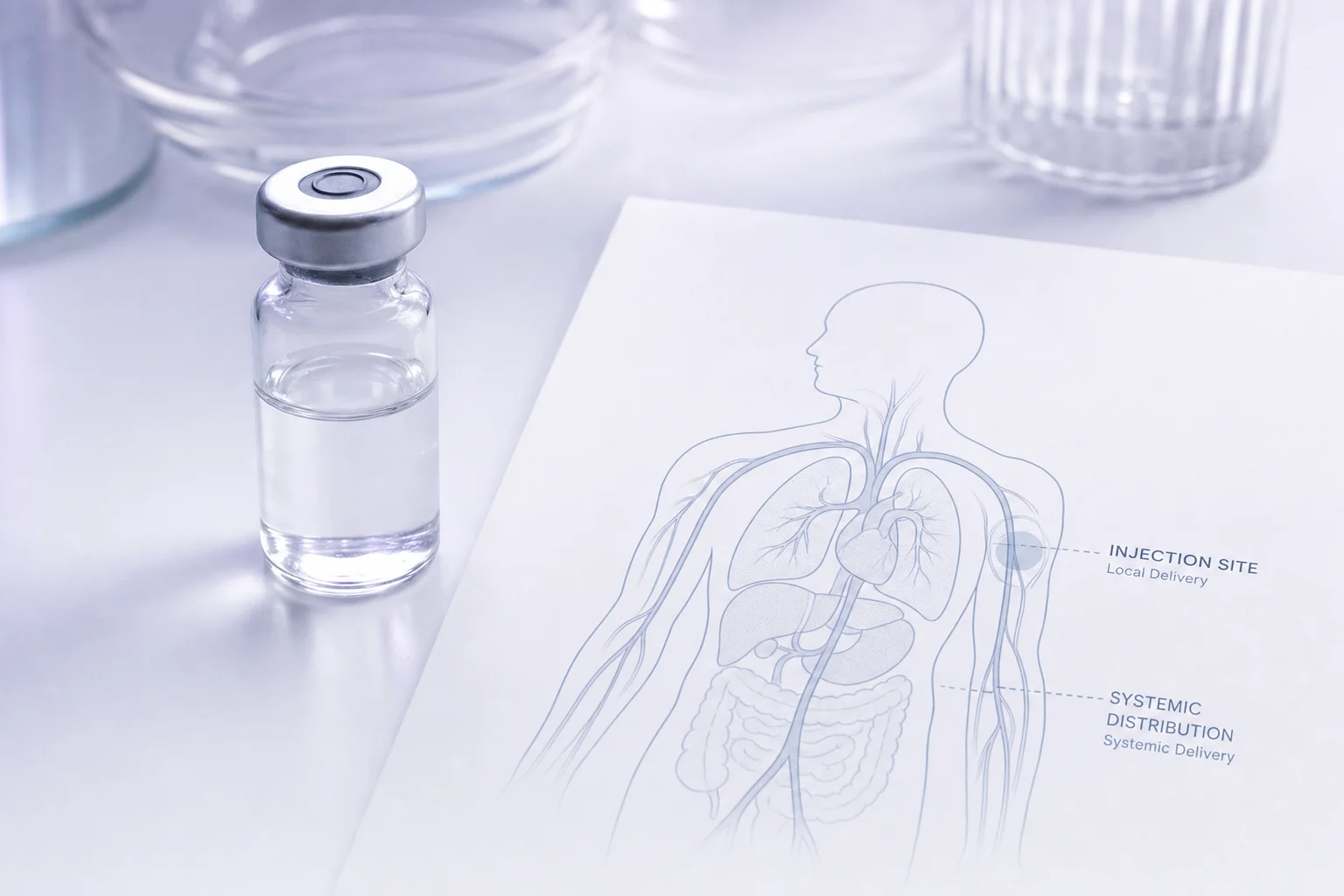
Where You Inject BPC-157 — Does It Actually Matter?
The conventional recommendation is to inject close to the injury site. The research that established BPC-157's healing effects tells a different story.

AHK-Cu: One Study, a Lot of Borrowed Hype
AHK-Cu shows up next to GHK-Cu on ingredient labels like they're the same peptide wearing different name tags. They're not, and the gap between what's actually been studied on each one is bigger than any bottle will tell you.
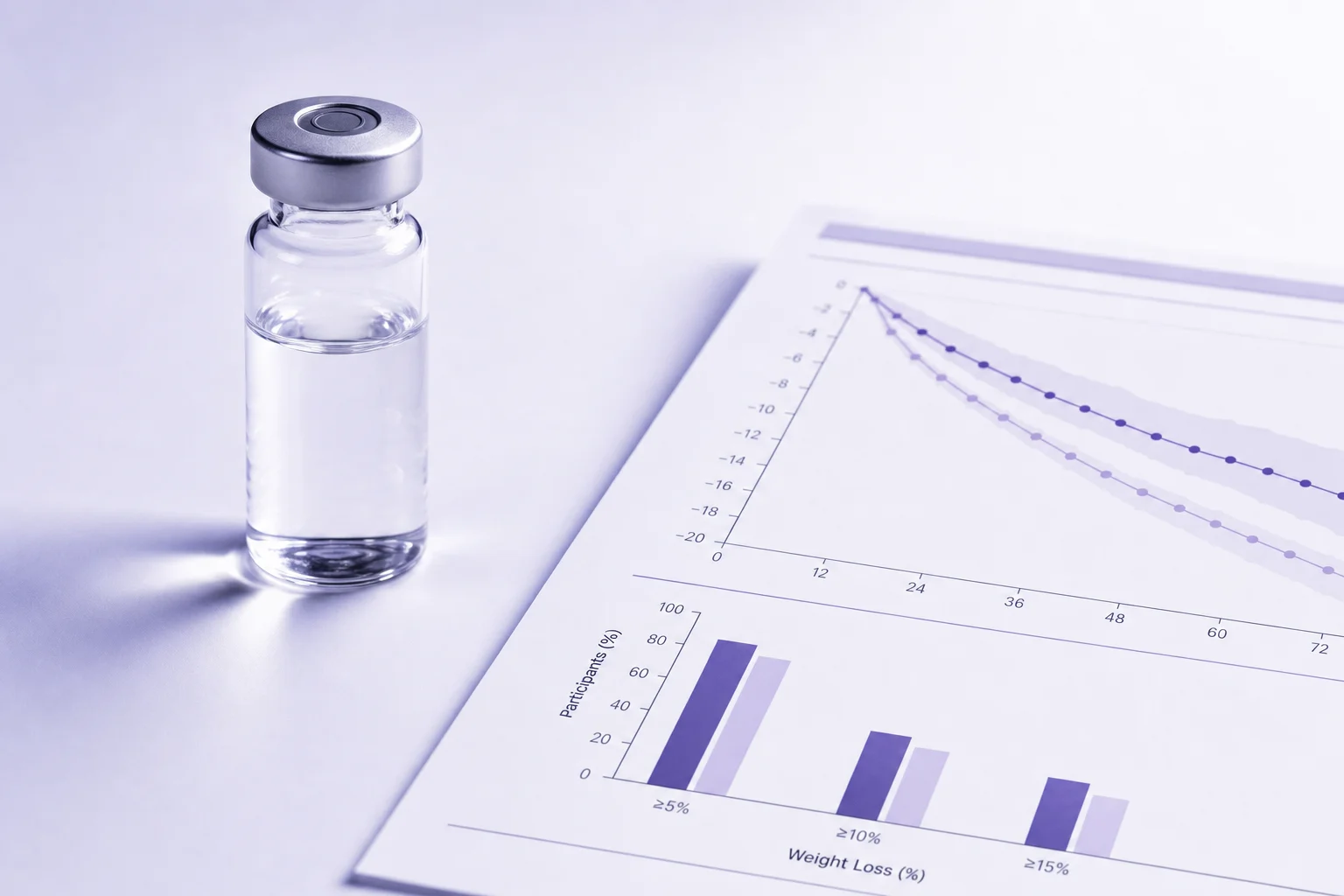
Cagrilintide: What the Data Actually Shows
If you've done everything right and your weight still won't move the way it used to, cagrilintide is worth knowing about. It has real human data behind it, not just a mouse study and a theory. Here's what it means for you.
Cartalax: Interesting Science, One Lab, No Humans Yet
If your skin doesn't bounce back the way it used to, or you catch everything going around and take twice as long to shake it, Cartalax probably came up in a search at some point. Here's what it is, and how much the research can really tell you.
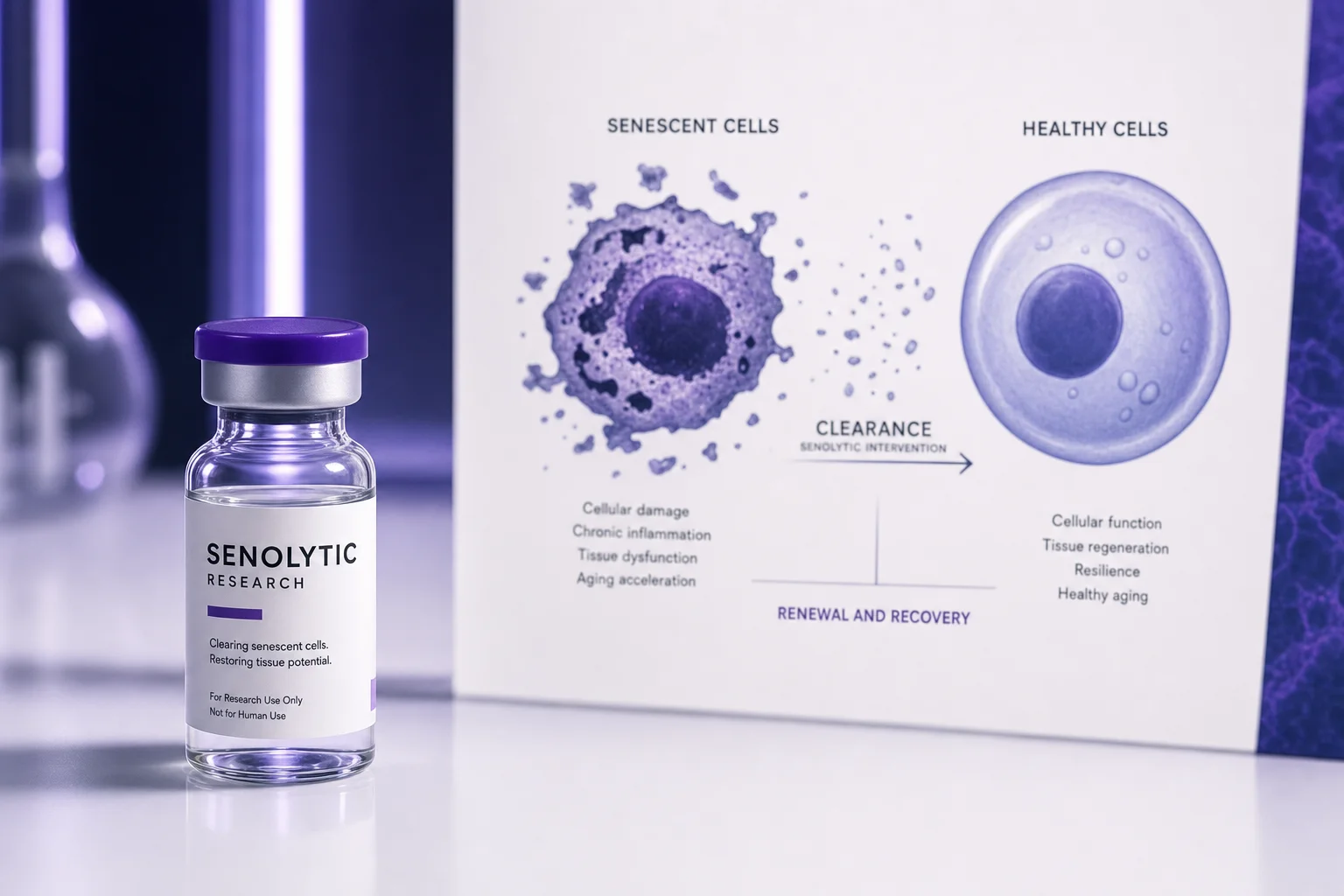
FOXO4-DRI: The Peptide That Tries to Clear Out Your Old Cells
FOXO4-DRI belongs to a class of compounds called senolytics, designed to clear out senescent cells: old, damaged cells that won't leave and keep stirring up inflammation. The idea is striking. The human evidence is not there yet.

SS-31: The Mitochondria Peptide — What the Research Shows
SS-31 doesn't try to do everything. It goes to one place — the inside of your mitochondria — and tries to keep the machinery there working. Here's what the research shows, what the community is actually doing, and where the two diverge.
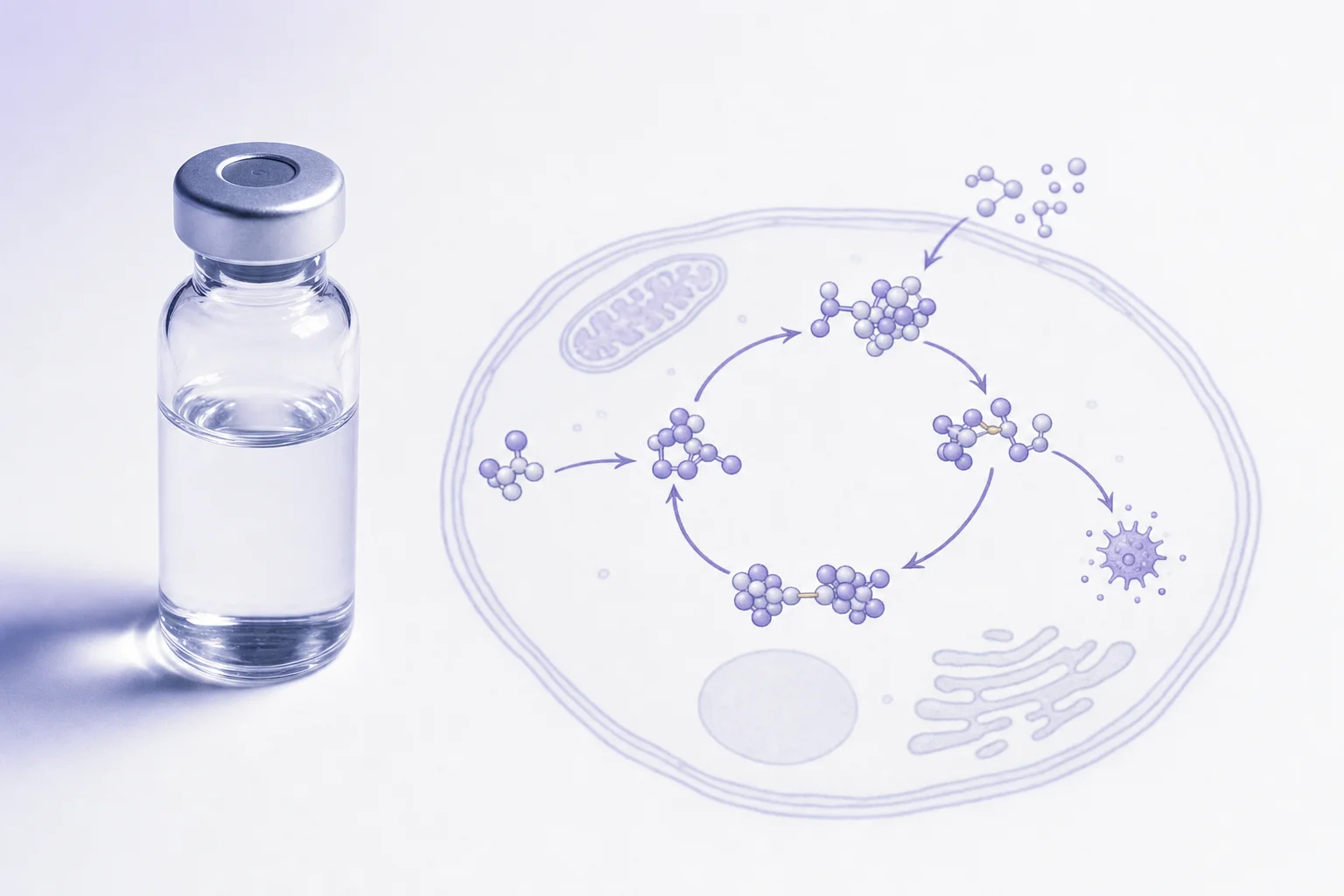
Glutathione: What the Research Actually Shows
Glutathione is the antioxidant your body already makes. The question isn't whether it works — it does, intracellularly. The question is whether taking it as a supplement actually raises your levels. The answer depends entirely on which form you use.
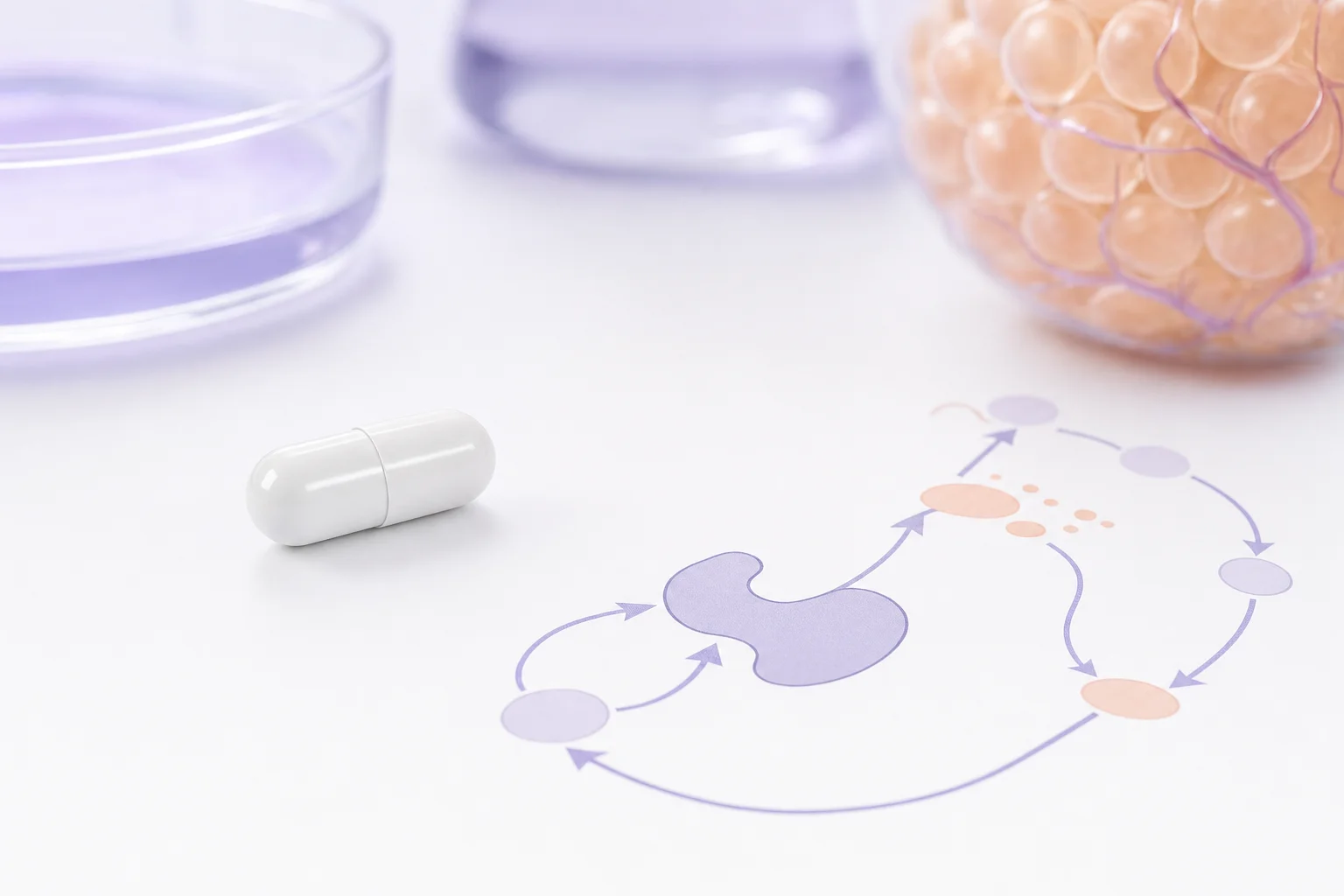
5-Amino-1MQ: The Brake on Your Fat Cells — And Why Midlife Women Are Curious
5-Amino-1MQ doesn't burn fat. It switches off an enzyme that keeps your fat cells idling in storage mode. Every result so far comes from mice, not people.

Melanotan: The Tanning Peptide, the Barbie Drug, and What the Research Actually Says
Melanotan gets called the 'Barbie drug' and the 'tanning peptide' — names that are memorable and also a little misleading. Here is what it actually is, what the human research shows, and the safety questions you should know about before forming an opinion.
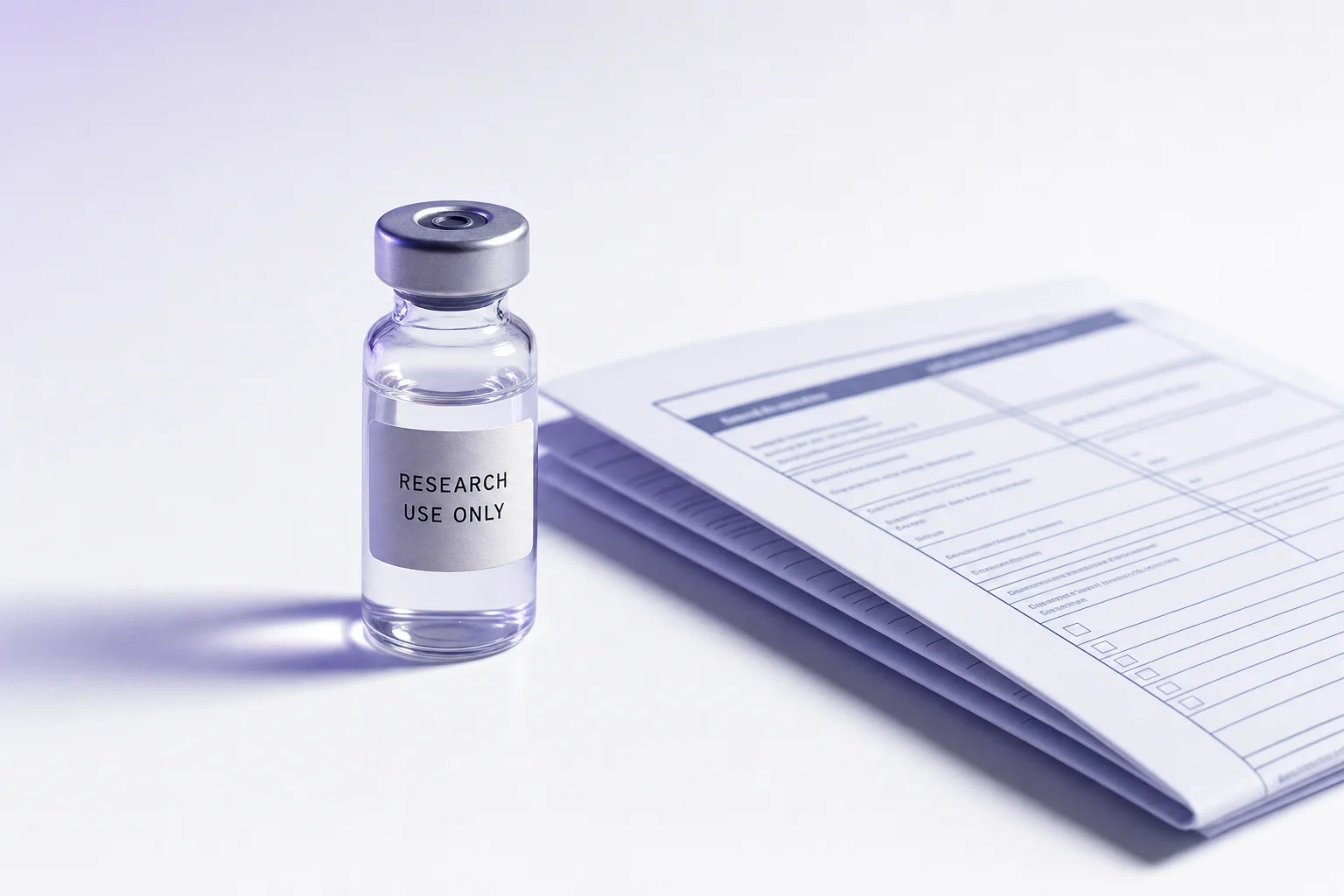
Why Are Peptides Labeled "For Research Use Only"?
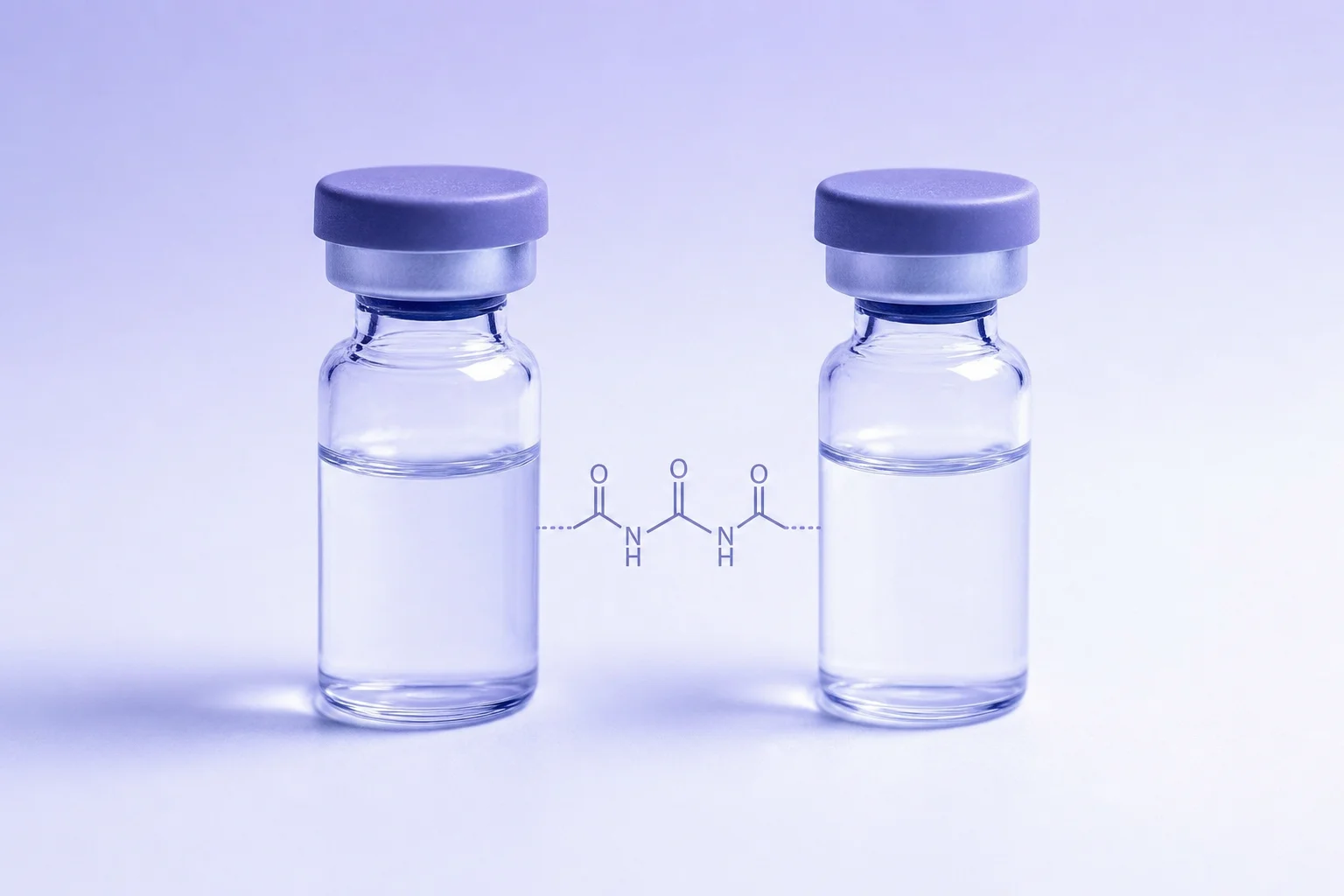
CJC-1295, DAC vs No DAC: What That Label Actually Means
Two compounds get sold under almost the same name, and the difference comes down to one engineered tweak that changes how long the thing stays in your body. Here is what DAC actually means, in plain language.
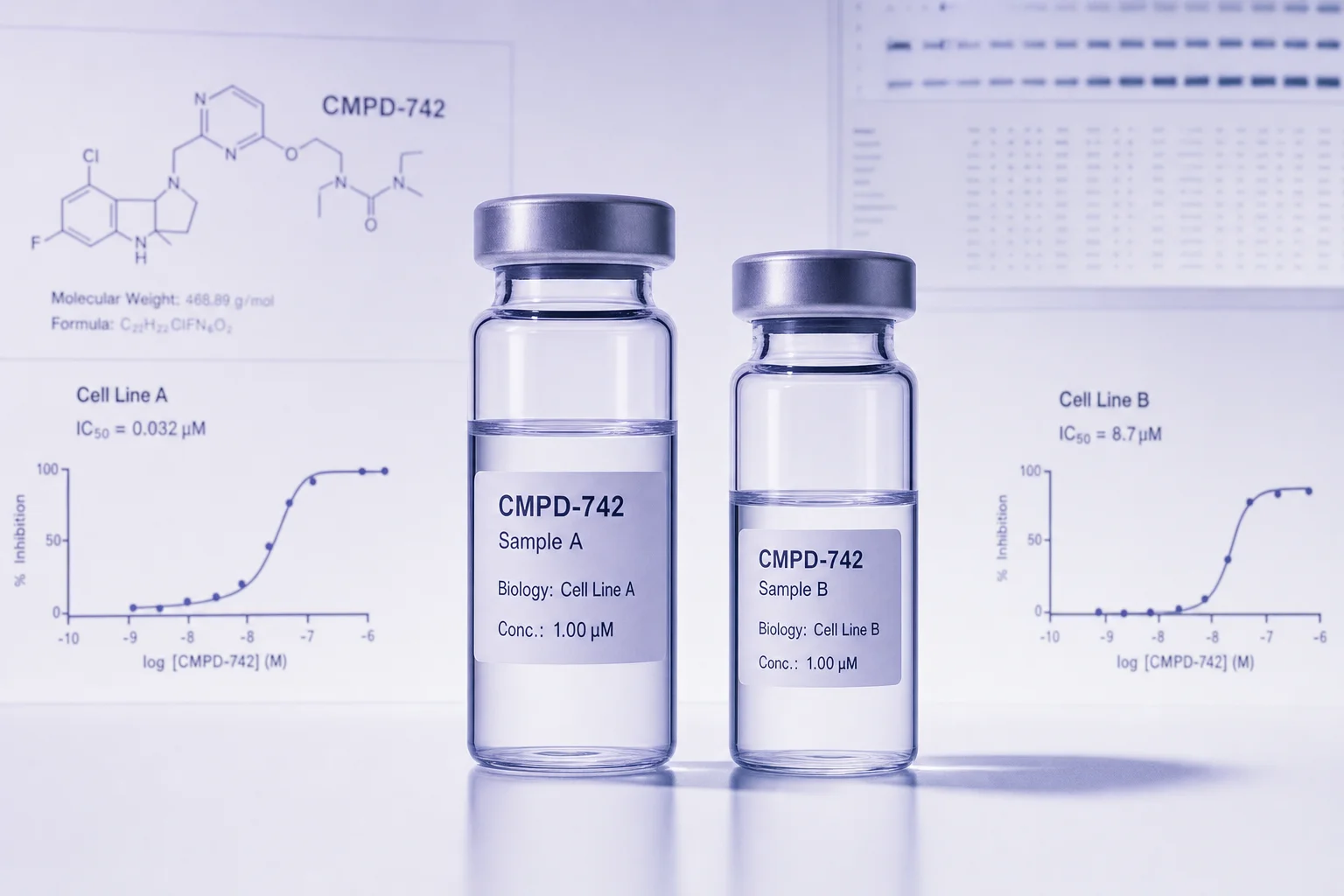
Men vs. Women and Peptides: What the Research Actually Shows
The same compound at the same dose can land very differently in a woman's body than a man's. Here is the plain-language version of why, for women in their 40s and 50s who are reading carefully.
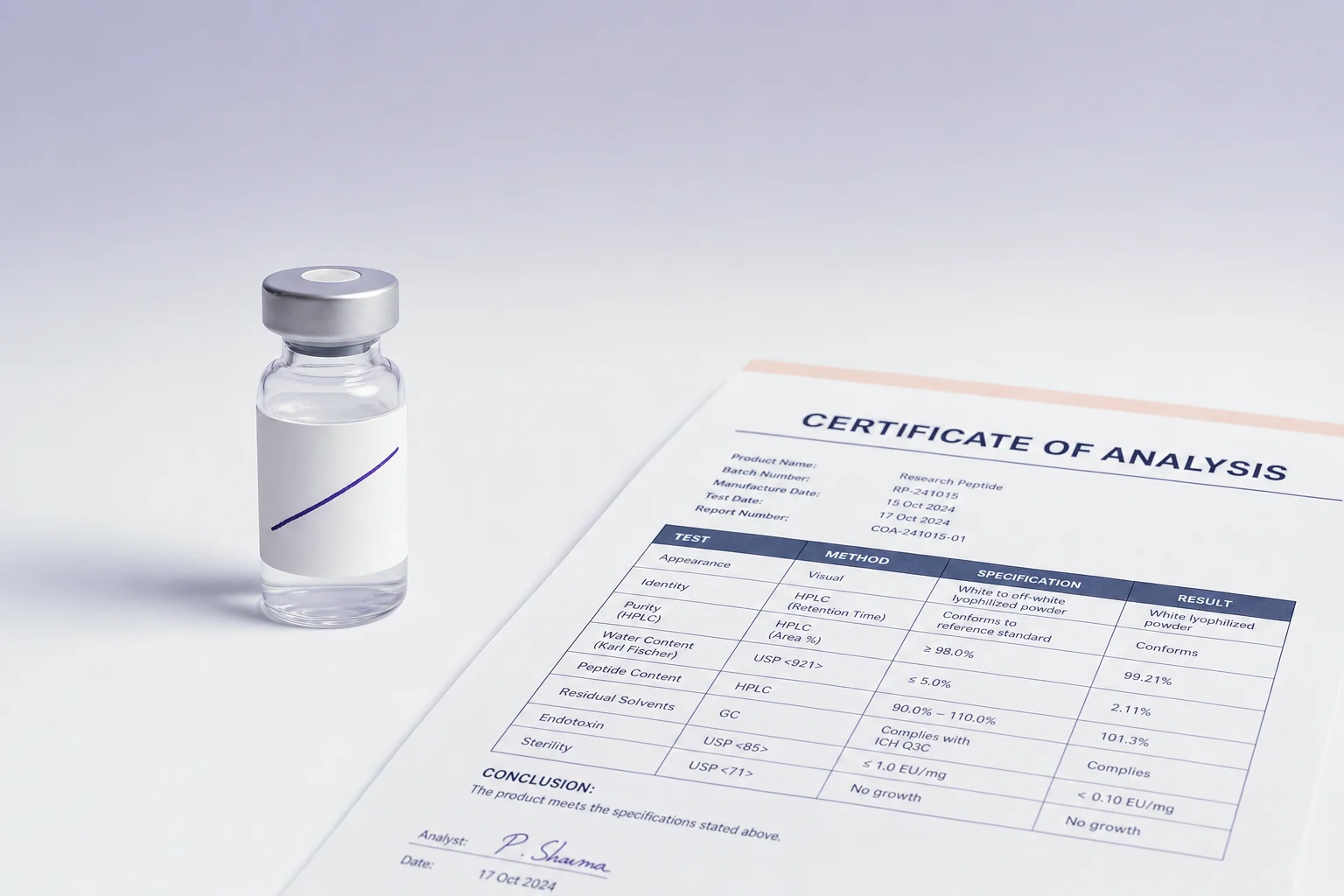
Why Your Vendor Stopped Naming the Compound
You've noticed it too: the listing that used to say "Tirzepatide" now says something like "pp-2T" and gives you nothing to go on. That's not an accident, and it's not really about you. Here's what's actually driving it, and what it means for how you verify what you're buying.
Tirzepatide vs. Retatrutide: The Price Comparison Everyone Gets Backwards
Compare tirzepatide and retatrutide per milligram and you'll walk away with the wrong answer, and not the direction you'd expect. Our live vendor data shows the two priced nearly identically per mg. At typical maintenance doses, retatrutide can actually cost less per week than tirzepatide. Dosing protocol is doing more work here than price.
What Stacks Well with Retatrutide?
You're doing your research, and now you're wondering: what else goes with this? Here's a breakdown of the stacks researchers and clinicians are pairing with retatrutide, and what each one actually adds.
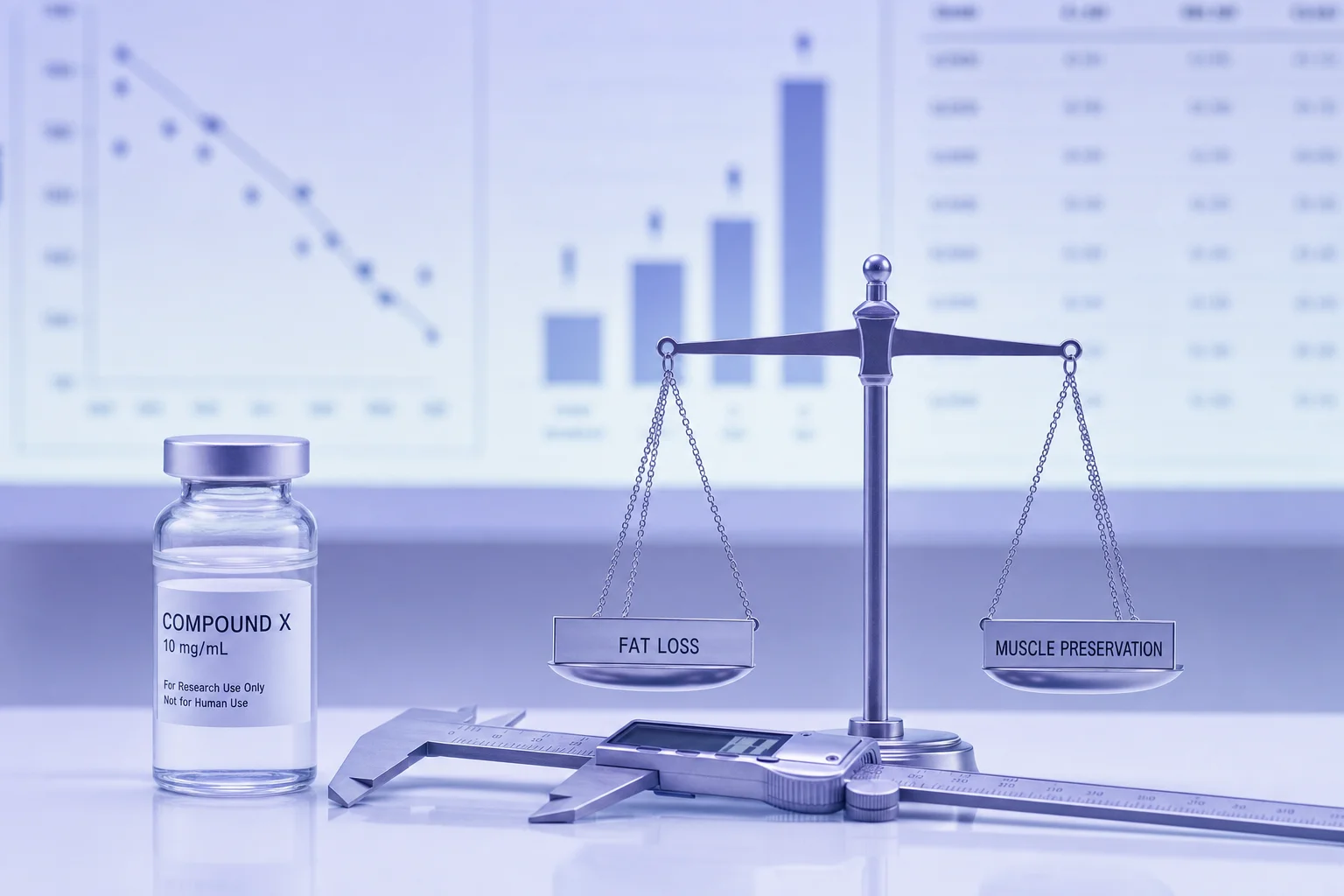
What GLP-1 Drugs Do to Your Muscle (And What You Can Actually Do About It)
GLP-1 drugs work. The weight loss is real. But some of what gets lost is not fat, and that part is worth understanding.

GLP-2, GLP-3: The Vendor Shorthand Nobody Agreed On
You're staring at a vendor listing that just says "GLP-2," no compound name in sight, and wondering if that's code for tirzepatide or code for nothing at all. Usually it's tirzepatide. Here's how to actually confirm it instead of guessing.
Semaglutide, Tirzepatide, Retatrutide: Same Family, Different Punch
You've heard these three names tossed around like they're basically the same thing with different price tags. They're not. Each one adds a receptor the last one didn't have, and that difference is exactly what you're paying for.
AOD-9604: The Fat-Loss Peptide That Actually Got Tested in Humans
AOD-9604 is a fragment of human growth hormone engineered to target fat without the metabolic downsides of the full molecule. It's one of the few peptides studied for fat loss that actually made it to human clinical trials. The results were more complicated than the marketing suggests.
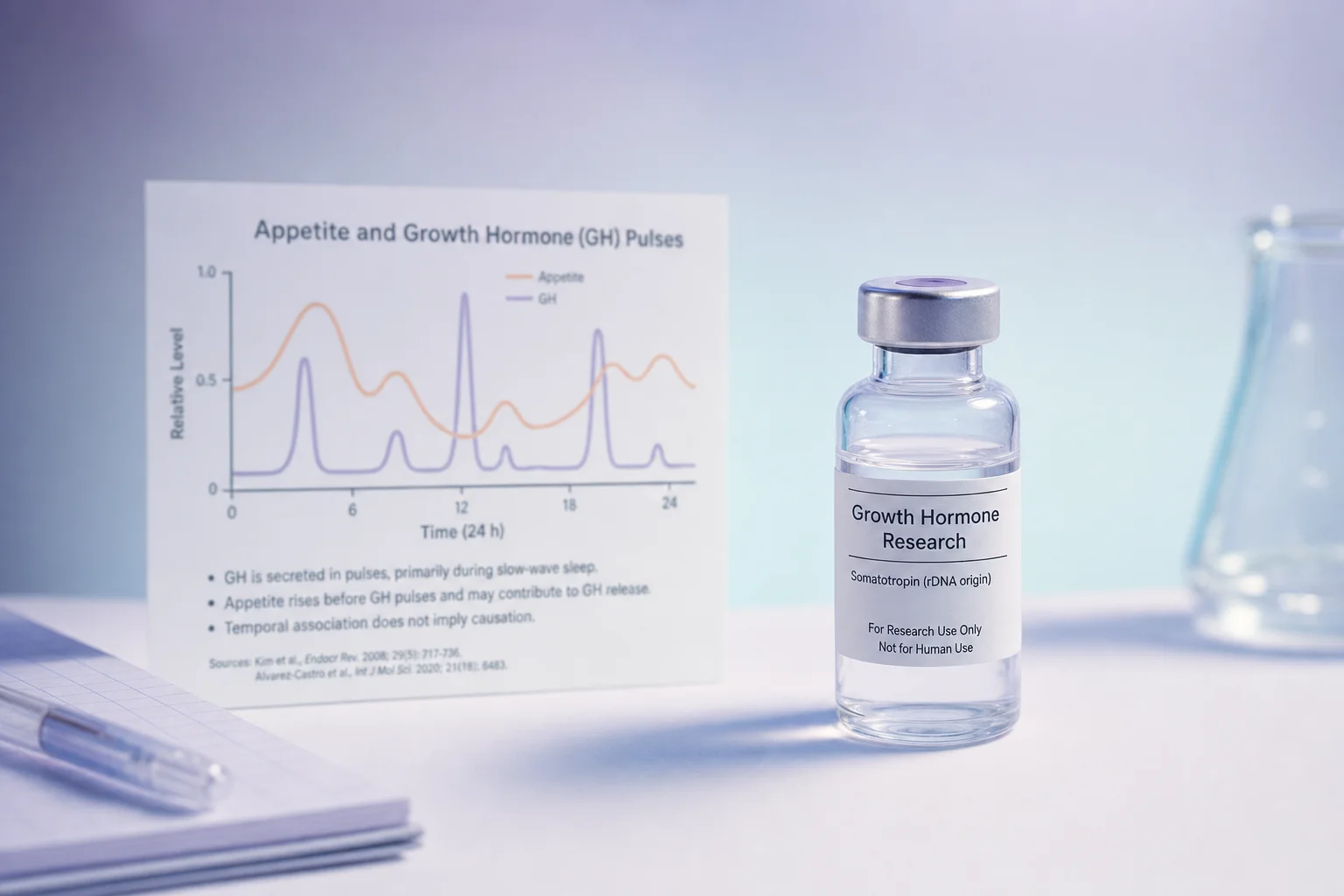
GHRP-2: The Growth Hormone Trigger With a Catch
GHRP-2 is one of the most potent synthetic growth hormone secretagogues researchers have studied. It works through the same receptor as ghrelin, your hunger hormone, and that connection explains both its appeal and its most important limitation.
Sermorelin: The Growth Hormone Approach That Asks Your Body to Do the Work
Sermorelin doesn't give you growth hormone. It asks your pituitary to make its own. That distinction matters more than most content about this compound will tell you.

Thymosin Alpha-1: The Immune Peptide Your Thymus Stopped Making
Thymosin Alpha-1 is a peptide your body produces naturally — until your thymus shrinks and stops making much of it. Researchers have been studying it for immune restoration since the 1980s, and it's approved as a drug in more than 35 countries.

MOTS-c: The Peptide Your Body Already Makes (And What Happens When It Stops)
Your mitochondria produce a signaling molecule called MOTS-c. Its levels rise when you exercise and fall as you age — and researchers think that gap matters more than most people realize.
Retatrutide: The Biggest Number We've Seen, and the Biggest Blank Spot
You've probably seen the 24% number floating around. It's real. So is how early we still are in actually understanding what this compound does in a human body over time.

Tirzepatide (Mounjaro, Zepbound): What Happens After the Headline Number
22.5% mean weight reduction is the number everyone quotes. It's real. But the finding that actually matters if you're considering this is what happens the moment you stop.
Peptides and Women's Health: What the Research Actually Shows
Most peptide research has been conducted on male subjects. That gap is real, and it matters. Here's what we know, what's promising, and what still needs more study before anyone can draw firm conclusions.