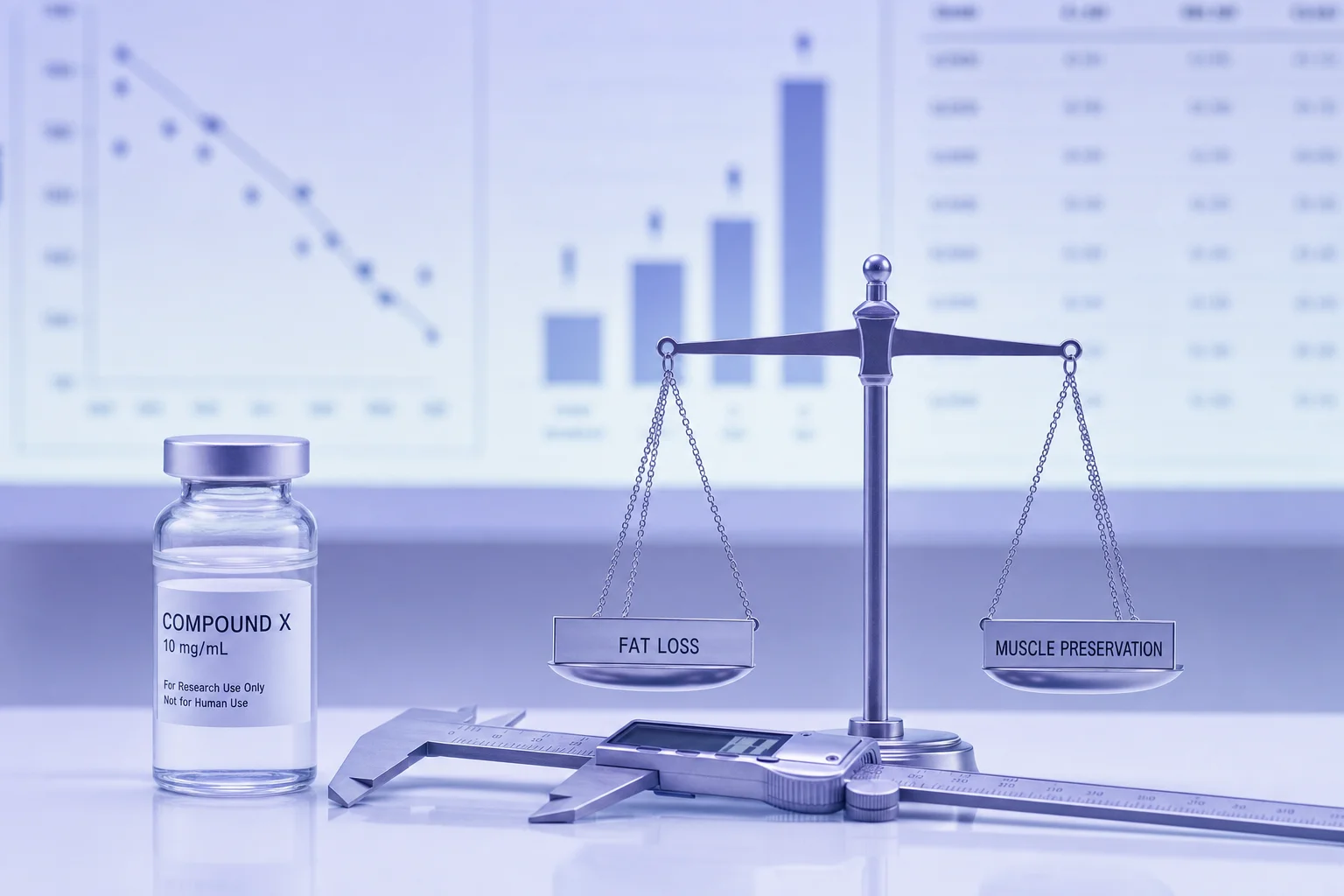
Something that doesn't get said clearly enough when someone starts a GLP-1 drug like semaglutide or tirzepatide: the weight you lose isn't all fat. Research suggests somewhere between 25 and 40 percent of it, depending on the study, is lean mass. Meaning muscle.
This isn't unique to GLP-1 drugs. Any significant calorie-restricted weight loss takes some muscle with it. But the scale of weight loss these drugs can produce is large enough that the muscle loss adds up. And because the drugs suppress appetite so effectively, many people end up eating far less protein than their muscles need, which makes things worse.
Why this matters beyond the scale
Muscle tissue is metabolically active. Your body burns calories just to maintain it, even at rest. When you lose significant muscle during weight loss, your resting metabolic rate drops, meaning you burn fewer calories at baseline. For people who eventually stop GLP-1 therapy, this is part of why weight tends to come back: the body that regains the weight is working from a lower baseline than the body that started.
For women in midlife, there's an additional layer. Muscle mass has already been quietly declining since your mid-30s, and that process accelerates through perimenopause. Losing more muscle to a weight loss drug during that window has consequences that don't show up on a scale right away, but show up later in energy, strength, injury resilience, and how your body handles blood sugar. It's worth taking seriously.
The answer the research is clearest on
Before getting to peptides, I want to be direct about what has the strongest evidence: resistance training and protein.
Studies consistently show that adding resistance training to GLP-1 therapy cuts lean mass loss roughly in half compared to medication alone. That isn't a small effect. Three sessions a week of strength work (not marathon gym sessions, just consistent resistance training) is the single highest-leverage thing a person can do to protect muscle while losing weight on these drugs.
Protein matters just as much. GLP-1 drugs suppress appetite significantly, and many people end up eating well under what their muscle tissue needs. Research suggests 1.6 to 2.2 grams of protein per kilogram of bodyweight per day for someone actively trying to preserve muscle during weight loss. If you're eating very little because you genuinely can't feel hunger anymore, hitting that protein target is harder than it sounds. It's worth paying attention to.
If nothing else comes from reading this, that's the answer.
Where research peptides come into the picture
Some people, particularly those already familiar with the research peptide space, want to know whether there are compounds worth adding on top of that foundation. There are a few worth knowing about, though all of them come with real limitations on the evidence.
CJC-1295 and Ipamorelin are growth hormone secretagogues, meaning they stimulate your pituitary gland to release more of your own growth hormone. Growth hormone and IGF-1 are primary anabolic hormones for muscle tissue. When you're in a sustained caloric deficit, which GLP-1 drugs reliably produce, IGF-1 signaling can drop and accelerate lean mass loss. Supporting your body's own GH production is a rational counter to that. This combination has the most established use history of the peptides discussed here for body composition support, though controlled human trials are limited.
MOTS-C is the most mechanistically interesting option for this specific situation. It's a peptide your own mitochondria produce, and 2025 research showed it can reduce myostatin (a protein that limits muscle growth) and slow muscle atrophy under conditions that model GLP-1-induced caloric restriction. The significant limitation: there are no human clinical trials of MOTS-C for this purpose. The evidence is animal studies and lab research. It's promising enough that researchers are watching it closely, but that's different from established.
BPC-157 and TB-500 (sometimes combined in what vendors call the "Wolverine Blend") are recovery and tissue repair compounds, not direct muscle-preservation peptides. Their value here's indirect: if you're doing the resistance training that actually protects muscle, compounds that support recovery from that training and help you stay consistent have indirect value. But they aren't doing the heavy lifting on muscle preservation by themselves.
What hasn't been studied
No peptide has been studied specifically in people using GLP-1 drugs with the goal of preserving lean mass. The pharmaceutical compounds with actual clinical trial data in this context (anti-myostatin drugs like bimagrumab and trevogrumab) aren't research peptides. They're in clinical trials and not generally accessible.
What exists for research peptides is a combination of biological rationale, animal studies, and real-world use data from adjacent contexts. That's genuinely useful information. It isn't the same as knowing something works for this specific situation in humans.
The question of what to do about muscle loss on a GLP-1 has a real answer: lift weights, eat enough protein, and take it seriously before the losses compound. Peptides are a secondary conversation. Any useful one starts there.
All content on Peptide Price Lab is for informational and research purposes only. Nothing here constitutes medical advice, and research peptides aren't approved for human use. Always consult a licensed healthcare provider.