What it is
BPC-157 (Body Protection Compound-157) is a synthetic pentadecapeptide, a chain of 15 amino acids, derived from a partial sequence of a protective protein found in human gastric juice. It does not occur in this exact form naturally; it was isolated and synthesized by researcher Predrag Sikiric and colleagues at the University of Zagreb, with research beginning in the early 1990s.[1]
It is sometimes referred to as PL 14736, PL-10, or simply "body protection compound." It is not a growth hormone, hormone secretagogue, or steroid analog; it belongs to a distinct class of gastroprotective peptides. As of this writing, BPC-157 has not been approved by the FDA for any indication, though it has been used in human clinical trials for inflammatory bowel conditions.[1]
What researchers study it for
- Gut health and mucosal integrity BPC-157 was originally studied in the context of gastric protection and inflammatory bowel disease; preclinical models have examined its effects on gut lining repair, ulcer healing, and mucosal homeostasis, and it has been investigated in human ulcerative colitis trials.[1]
- Tendon and ligament healing Multiple preclinical studies have examined BPC-157's influence on tendon repair, finding evidence of increased tendon outgrowth and improved cell survival and migration in both in vitro and animal models.[5][2]
- Muscle repair Animal model studies have investigated BPC-157 in the context of muscle crush injuries and transection wounds, consistently reporting accelerated recovery compared to controls.[2]
- Wound healing and skin repair A 2021 review in Frontiers in Pharmacology examined BPC-157's role in skin wound therapy, including incisional wounds, excisional wounds, and burns, alongside its proposed effects on vascular repair and angiogenesis.[4]
- Joint health and cartilage A small retrospective clinical series published in 2021 looked at intra-articular BPC-157 injection for multiple types of knee pain, including osteoarthritis; 14 of 16 patients reported pain relief, though the study's small size limits conclusions.[6]
- Orthopaedic and sports medicine applications A 2025 systematic review in HSS Journal assessed preclinical evidence across fractures, tendon ruptures, ligament tears, and muscle injuries, concluding that the existing animal model data is consistently positive but that human trials are still needed.[3]
Research context
The BPC-157 evidence base is unusually large for a research peptide, with over 100 published studies, but the vast majority are preclinical, conducted in rodent models by a small number of research groups, predominantly the Sikiric group at the University of Zagreb.[1] The consistency of findings across multiple injury types and animal models is notable, and independent research groups have replicated several key findings.[2][3]
Human clinical data is limited but not absent. BPC-157 has been studied in human Phase II trials for ulcerative colitis and multiple sclerosis, with no reported toxicity and no LD1 established in animal safety studies.[4] The 2025 systematic review by Vasireddi et al. concluded that while preclinical evidence supports further investigation, there are currently no completed large-scale randomized controlled trials in humans for musculoskeletal applications.[3] Researchers interested in this peptide should weigh the strength of the animal model evidence against the limited human data.
Typical research parameters
| Parameter | Typical range |
|---|---|
| Common vial sizes | 2 mg, 5 mg, 10 mg |
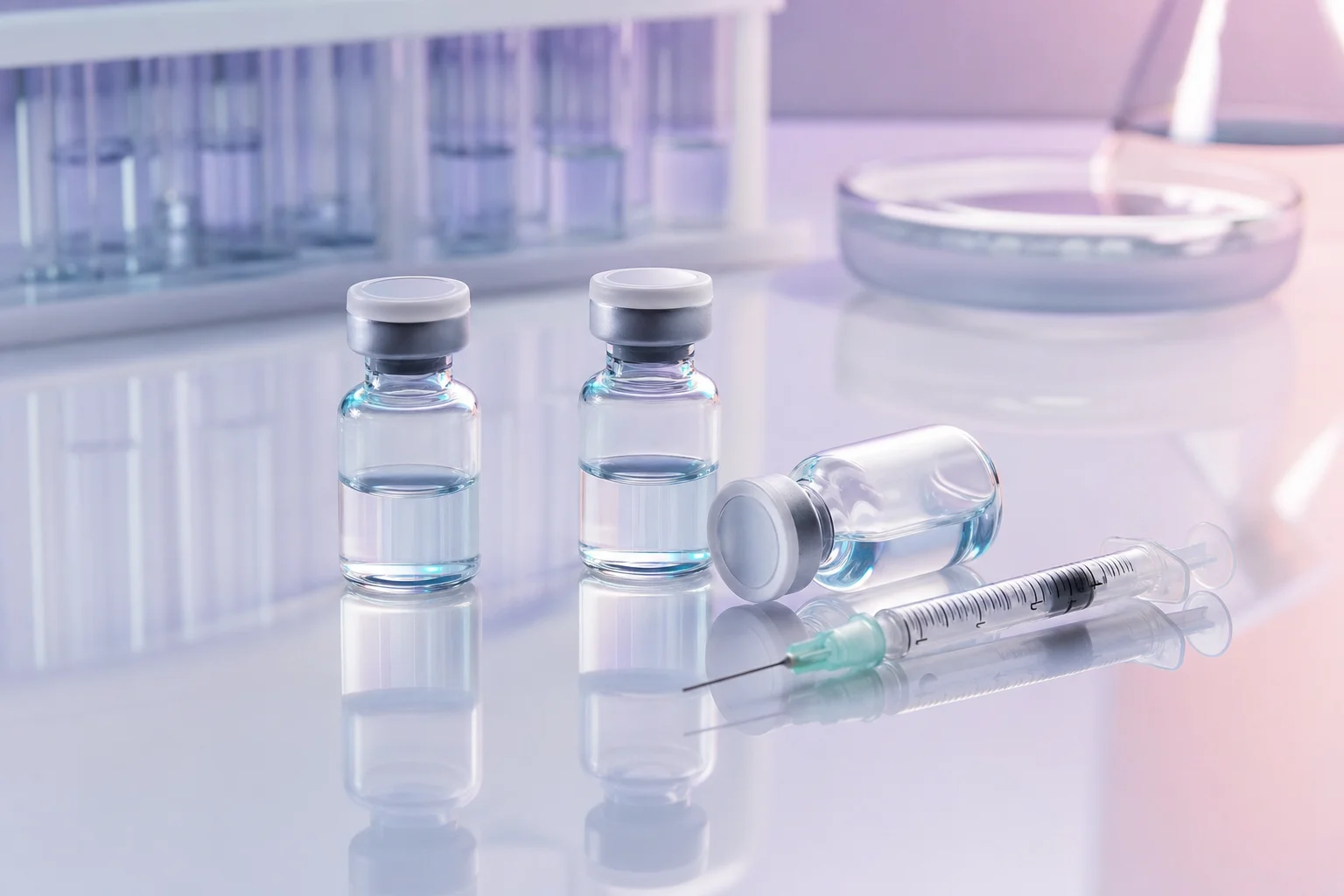
| Supplied as | Lyophilized (freeze-dried) powder; reconstituted with bacteriostatic water |
| Storage | Lyophilized: room temperature or refrigerated; reconstituted: refrigerated |
| Stability | Lyophilized: 24+ months; reconstituted: typically 4–6 weeks refrigerated |
| Administration studied | Subcutaneous and intramuscular injection (animal studies); oral gavage (animal studies); intra-articular injection (small human series); oral capsule (human IBD trials) |
| Purity to look for | ≥98% by HPLC; third-party certificate of analysis recommended |
References
- [1] Józwiak M, Bauer M, Kamysz W, Kleczkowska P. Multifunctionality and Possible Medical Application of the BPC 157 Peptide — Literature and Patent Review. Pharmaceuticals (Basel). 2025;18(2):185. PubMed ↗
- [2] Gwyer D, Wragg NM, Wilson SL. Gastric pentadecapeptide body protection compound BPC 157 and its role in accelerating musculoskeletal soft tissue healing. Cell and Tissue Research. 2019;377. PubMed ↗
- [3] Vasireddi N, Hahamyan H, Salata MJ, Karns M, Calcei JG, Voos JE, Apostolakos JM. Emerging Use of BPC-157 in Orthopaedic Sports Medicine: A Systematic Review. HSS Journal. 2025;21. PubMed ↗
- [4] Seiwerth S, Milavic M, Vukojevic J, et al., Sikiric P. Stable Gastric Pentadecapeptide BPC 157 and Wound Healing. Frontiers in Pharmacology. 2021;12:627533. PubMed ↗
- [5] Chang CH, Tsai WC, Lin MS, Hsu YH, Pang JH. The promoting effect of pentadecapeptide BPC 157 on tendon healing involves tendon outgrowth, cell survival, and cell migration. Journal of Applied Physiology. 2011;110(3). PubMed ↗
- [6] Lee E, Padgett B. Intra-Articular Injection of BPC 157 for Multiple Types of Knee Pain. Alternative Therapies in Health and Medicine. 2021;27(4). PubMed ↗