Pancragen
The pancreas peptide from the same Russian lab that made Epithalon, studied for blood sugar that gets harder to manage with age.
What is Pancragen?
Pancragen price today
The five lowest per-mg prices we found in this morning's check, one listing per vendor, with each vendor's confidence label.
- Evolve BioPep 20 mg · $39.99 $2.00/mg
- Swiss Chems 20 mg · $59.95 $3.00/mg
- LA Peptides 20 mg · $59.99 $3.00/mg
- Core Peptides 20 mg · $63.00 $3.15/mg
Codes change often, so check the price at checkout. The cheapest sticker isn't always the cheapest milligram.
Tell me when Pancragen gets cheaper
Free. We'll email you when the lowest price we track drops 10% below today's, with the vendor and the link.
One click to confirm. Your alert lives in a free account under this email, so you can change or stop it in the app. We'll also send a few short emails on buying smart, and you can unsubscribe from those anytime without losing your alert.
What people use Pancragen for
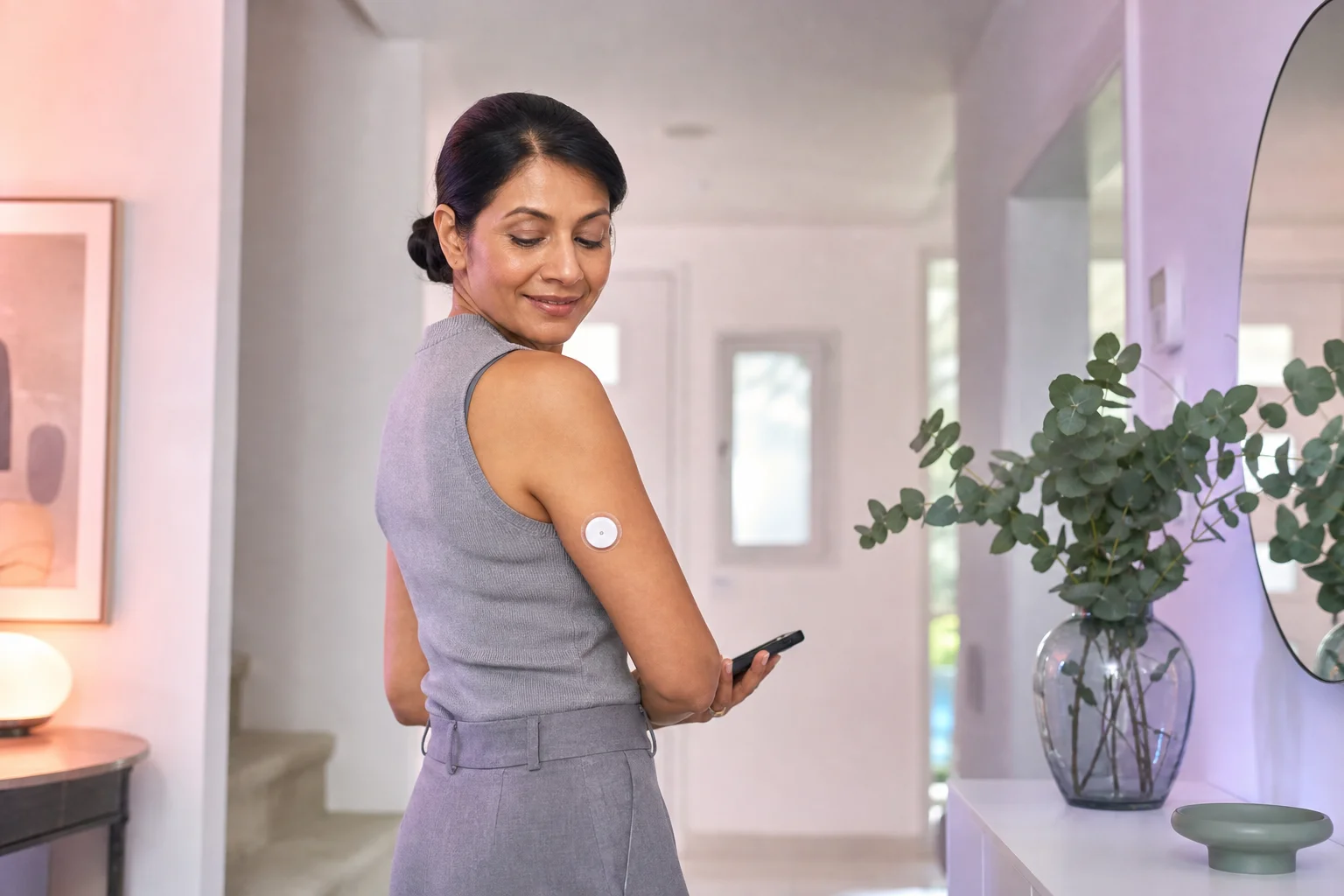
The women who look up Pancragen are usually watching a number they didn't used to think about. Fasting glucose creeps up in the forties and fifties, an A1C comes back "borderline," and the advice is to eat less and move more, which she was already doing. Pancragen comes up because it's one of the few peptides built specifically around the pancreas, and because the research behind it was done in older animals and older people, not young ones.
Steadier blood sugar with age is the main reason. In older female rhesus monkeys, a 10-day course brought their glucose response back toward that of younger animals, and part of the effect was still there three weeks after it stopped, according to the Russian primate research center that ran the study. A small Ukrainian study in older adults with type 2 diabetes reported lower fasting glucose and lower insulin resistance in the people who took it.
Pancreas support more broadly is the second. Some people come to it after a rough stretch with digestion, and newsletter writers in the longevity space describe users reporting better digestion and a steadier appetite. Those are reported experiences, not study findings.
Longevity is the third. Pancragen belongs to the same family as Epithalon, and people who already run one bioregulator often add others aimed at different organs. That's a habit in the community rather than something a study tested.
What it isn't is a weight-loss drug. Nothing in the research shows people losing weight on it, and the women who find it after reading about GLP-1 medications are usually after something gentler: a fasting number that stops climbing, and fewer afternoon crashes.
How Pancragen works, in plain words
Khavinson's idea, worked on since the 1970s, is that each organ has its own short peptides that act like a reminder note to its cells, telling them which genes to keep switched on. As we age the notes fade, and the cells drift. A bioregulator is a synthetic copy of one of those notes, and Pancragen's was modeled on peptides found in pancreas tissue.
Think of it less like a medication that forces a result and more like reprinting the recipe card for a dish the kitchen has started to get slightly wrong. In cell cultures, Pancragen switched up the genes that pancreatic cells use to mature into insulin-making and digestive-enzyme cells, and it did this in "aged" cultures as well as young ones. Those are cell studies, and the monkey and rat work sits on top of them.
Nearly all of this research comes from Khavinson's own institute and its partners in Russia and Ukraine, so it reads best as a promising lead, with the safety section below covering what that means.
Injection or capsules
US vendors sell Pancragen as a freeze-dried powder, most often in 20 mg vials, which you mix with bacteriostatic water and inject under the skin or into a muscle. In Russia the Pancragen name is also on a capsule sold as a dietary supplement, taken with food for a month at a time.
The research used both routes. The monkey studies injected it into muscle, and the rat study found the oral form lowered blood sugar too. No published study has worked out a human injection dose, so the amounts in circulation come from community and newsletter sources. The most common one is 2 mg a day for 30 to 60 days, repeated 2 to 3 times a year, from Hunter's Health Hacks, a longevity newsletter, and the dosage page shows that alongside the capsule label and the amount the monkey studies used.
Is Pancragen safe?
The published studies didn't report serious problems, and the primate researchers called it safe at the amount they used. Those studies were small, short and mostly run by the group that developed it, with little independent replication, so they can't rule out rarer effects. People who use the injectable form report mild redness or itching where they inject, which usually fades.
Blood sugar is the thing to watch. Pancragen is studied precisely because it seems to lower glucose, so anyone already taking metformin, insulin, a sulfonylurea or a GLP-1 medication has the most reason to check her numbers and to tell whoever prescribes them. The Russian capsule label lists pregnancy and breastfeeding as reasons not to take it, and there's no research in either.
What nobody knows yet is how it behaves over years, or how a vial bought online compares with the compound the studies used. That second question is where buying smart comes in: look for a vendor that posts a third-party test for purity and identity on the batch you're buying, and compare on price per milligram rather than price per vial. A 30-day course at the common amount uses three 20 mg vials, so the per-milligram price across the whole course is the number that actually lands on your card statement.
Versions of Pancragen you'll see
You'll run into Pancragen in three shapes, and they aren't interchangeable. The research vial is the synthetic four-amino-acid peptide on its own, usually 20 mg of powder, and it's what US vendors list. The Russian capsule carries the same brand name but is sold as a dietary supplement with its own label, and its amounts are counted in capsules, not milligrams of peptide, so a capsule dose doesn't translate into a vial dose.
The third is a naming detail that shows up on some listings and in a few of the papers: Lys-Glu-Asp-Trp-NH2, sometimes written KEDW-NH2. The "NH2" means the end of the chain is capped, which is a common way to make a short peptide last a little longer before the body breaks it down. The rat study used the capped form. Most vendors don't say which one they sell, so if it matters to you, ask for the certificate of analysis and check the sequence it lists.
Pancragen is sold on its own rather than in blends. People who use more than one bioregulator buy them separately and run them as separate courses.
Is Pancragen legal?
Pancragen isn't approved by the FDA for anything. In the US it's legal to buy as a research compound. In Russia the Pancragen-branded capsule is registered as a dietary supplement rather than a medicine, which is a lighter category than the prescription drug status a few other Russian peptides have.
Pancragen compared
We haven't written a side-by-side for Pancragen yet. The compounds people most often weigh it against are its own relatives. Cartalax is the bioregulator aimed at cartilage and connective tissue, Pinealon the one aimed at the brain, and Epithalon the best known of the family, tied to the pineal gland and longevity. Thymalin rounds out the group for the immune system.
For blood sugar specifically, people also look at the GLP-1 medications. Semaglutide has the large human trials Pancragen doesn't, and works in a completely different way, through appetite and insulin signaling rather than as a pancreas bioregulator. More on that whole area is in metabolic and weight.
It's sold for research, and the big human trials haven't been run yet. You knew that, it's why you're reading this and not the label.
Questions people ask about Pancragen
What is Pancragen peptide used for?
Most people researching it want steadier blood sugar and better pancreas function as they age. That interest comes from Russian studies in older monkeys and in older adults with type 2 diabetes, not from large trials.
What is the Pancragen dosage per day?
The most common injection pattern is 2 mg a day for 30 to 60 days, repeated 2 to 3 times a year, from a longevity newsletter rather than a study. The full chart and its sources are on the Pancragen dosage page.
Does Pancragen have side effects?
No serious problems have been reported in the published studies, but those studies were small and mostly from one research group. People report mild redness where they inject, and anyone on diabetes medication has the most reason to watch for low blood sugar.
Can you take Pancragen with metformin or a GLP-1?
No study or label sets a combined schedule. The concern people raise is blood sugar dropping lower than expected, so anyone on glucose-lowering medication brings it up with whoever prescribes it.
Is Pancragen the same as Cartalax or Pinealon?
They're cousins, not the same compound. All three are short Khavinson bioregulator peptides, and each was built around a different tissue: Pancragen the pancreas, Cartalax cartilage and connective tissue, Pinealon the brain.
Everything we've written on Pancragen
Your next step
Also on Android