What it is
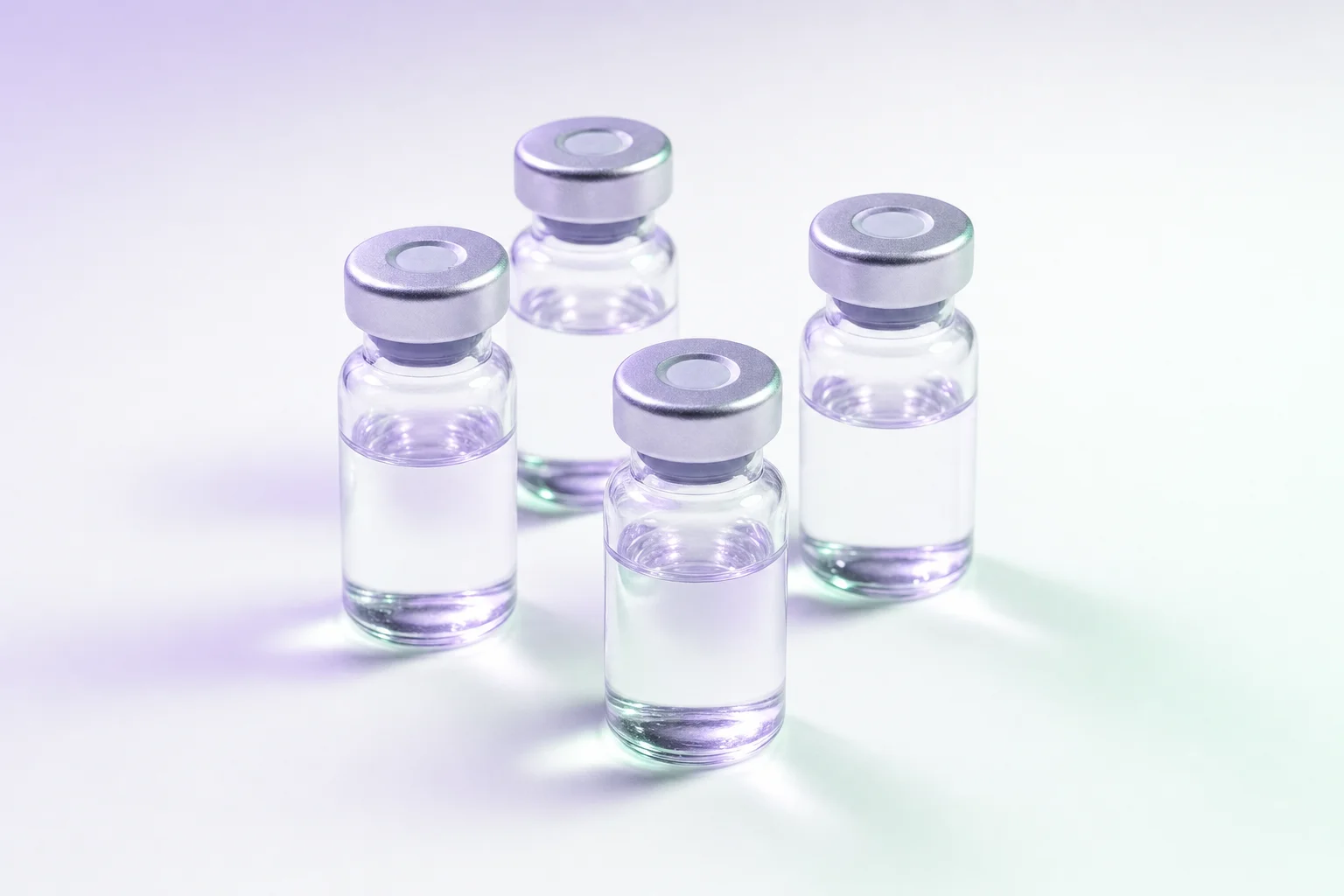
KLOW is a pre-formulated research peptide blend combining four compounds in a single lyophilized vial: GHK-Cu (glycyl-L-histidyl-L-lysine copper complex, 50 mg), BPC-157 (body protection compound, a 15-amino-acid synthetic pentadecapeptide, 10 mg), TB-500 (a synthetic fragment of thymosin beta-4, 10 mg), and KPV (Lys-Pro-Val, a tripeptide fragment of alpha-melanocyte-stimulating hormone, 10 mg). The formulation totals 80 mg and is standardized at a 5:1:1:1 ratio across most research vendors.
KLOW is essentially the GLOW blend with the addition of KPV. KPV is the C-terminal anti-inflammatory fragment of alpha-MSH, with the pigmentation-driving portion of the parent molecule removed. It is transported into intestinal epithelial cells via the PepT1 transporter and has been studied primarily for its effects on inflammatory signaling pathways. Researchers studying KLOW are typically interested in the same tissue repair and skin remodeling areas as GLOW, with the addition of gut and systemic inflammation as a research focus.
What researchers study it for
- Intestinal inflammation and gut mucosal health KPV has been studied in two murine colitis models (DSS- and TNBS-induced) where oral administration reduced pro-inflammatory cytokine expression and histological markers of colonic inflammation; the mechanism involves NF-κB and MAP kinase pathway inhibition via the PepT1 transporter.[7]
- Skin collagen synthesis and dermal remodeling In vitro studies have shown that GHK-Cu increases collagen and glycosaminoglycan synthesis in fibroblast cultures, and gene expression analyses suggest it may influence pathways associated with extracellular matrix production.[1][2]
- Wound healing and tissue repair Thymosin beta-4 (the source peptide for TB-500) has been examined in preclinical wound models and in two Phase 2 clinical trials of stasis and pressure ulcers, where it was observed to reduce healing time by approximately one month in patients who did heal.[5]
- Angiogenesis and vascular support Thymosin beta-4 promotes cell migration, VEGF signaling, and stem cell mobilization in preclinical models, with proposed applications in ischemic tissue repair and wound vascularization.[6]
- Tendon, ligament, and musculoskeletal repair BPC-157 has been studied extensively in rodent models of tendon transection and ligament injury, where it appears to activate VEGFR2 and nitric oxide signaling pathways associated with fibroblast activity and angiogenesis.[3]
- Systemic inflammation modulation Preclinical reviews note that BPC-157 reduces inflammatory cytokine activity and improves microvascular integrity across multiple animal model systems, and KPV's NF-κB inhibition has been studied in both intestinal and immune cell lines.[4][7]
Research context
Like the GLOW blend, KLOW has not been evaluated as a combined formulation in published clinical trials. The evidence base covers each of the four components individually, and the profiles vary considerably. GHK-Cu has a robust in vitro literature and topical human data from dermatology; the systemic injection evidence is thinner.[1] BPC-157 has over 100 published animal model papers but no completed large-scale human RCTs as of 2026.[3] Thymosin beta-4 (TB-500's parent molecule) has reached Phase 2 clinical trials for chronic wounds, giving it a stronger human data foundation than the other preclinical peptides in the blend.[5]
KPV's research profile is primarily preclinical but is notable for the specificity of its mechanism. Nanomolar concentrations of KPV inhibit NF-κB and MAP kinase inflammatory signaling in intestinal epithelial and immune cells, and oral administration reduced colitis severity in two separate mouse models.[7] Human IBD data is not yet available. KLOW is typically chosen over GLOW in research protocols where intestinal inflammation or systemic inflammatory modulation is a specific study interest alongside the tissue repair and skin remodeling angles shared by both blends.
Typical research parameters
| Parameter | Typical range |
|---|---|
| Common vial sizes | 80 mg (50 mg GHK-Cu / 10 mg BPC-157 / 10 mg TB-500 / 10 mg KPV) |
| Supplied as | Lyophilized powder blend; reconstituted with bacteriostatic water prior to use |
| Storage | Lyophilized powder stored protected from light; refrigerate after reconstitution |
| Stability | Lyophilized: 24+ months at room temperature / Reconstituted: 4–6 weeks refrigerated |
| Administration studied | Subcutaneous injection (as studied for BPC-157, TB-500, GHK-Cu); oral administration also studied for KPV in intestinal inflammation models |
References
- [1] Pickart L, Vasquez-Soltero JM, Margolina A. GHK Peptide as a Natural Modulator of Multiple Cellular Pathways in Skin Regeneration. BioMed Research International. 2015;2015:648108. PubMed ↗
- [2] Pickart L, Margolina A. Regenerative and Protective Actions of the GHK-Cu Peptide in the Light of the New Gene Data. International Journal of Molecular Sciences. 2018;19(7):1987. PubMed ↗
- [3] McGuire FP, Martinez R, Lenz A, et al. Regeneration or Risk? A Narrative Review of BPC-157 for Musculoskeletal Healing. Current Reviews in Musculoskeletal Medicine. 2025;18(12):611–619. PubMed ↗
- [4] From Regeneration to Analgesia: The Role of BPC-157 in Tissue Repair and Pain Management. International Journal of Molecular Sciences. 2026;27(6):2876. PubMed ↗
- [5] Treadwell T, Kleinman HK, Crockford D, Hardy MA, Guarnera GT, Goldstein AL. The regenerative peptide thymosin β4 accelerates the rate of dermal healing in preclinical animal models and in patients. Annals of the New York Academy of Sciences. 2012;1270:37–44. PubMed ↗
- [6] Smart N, et al. Thymosin beta4 and angiogenesis: modes of action and therapeutic potential. Angiogenesis. 2007;10(4):229–241. PubMed ↗
- [7] Dalmasso G, Charrier-Hisamuddin L, Nguyen HT, Yan Y, Sitaraman S, Merlin D. PepT1-mediated tripeptide KPV uptake reduces intestinal inflammation. Gastroenterology. 2008;134(1):166–178. PubMed ↗